Banyan Harbor Condo: Vacation Rental Or Long-Term Lease?
April 23, 2026
April 23, 2026
Trying to decide whether your Banyan Harbor condo should be a vacation rental or a long-term lease? It is a smart question, especially in Līhuʻe where visitor demand, county rules, and ownership goals do not always point in the same direction. If you own at Banyan Harbor, or are thinking about buying there, the right answer depends less on a one-size-fits-all formula and more on how you want the property to work for you. Let’s break down the tradeoffs so you can make a more confident call.
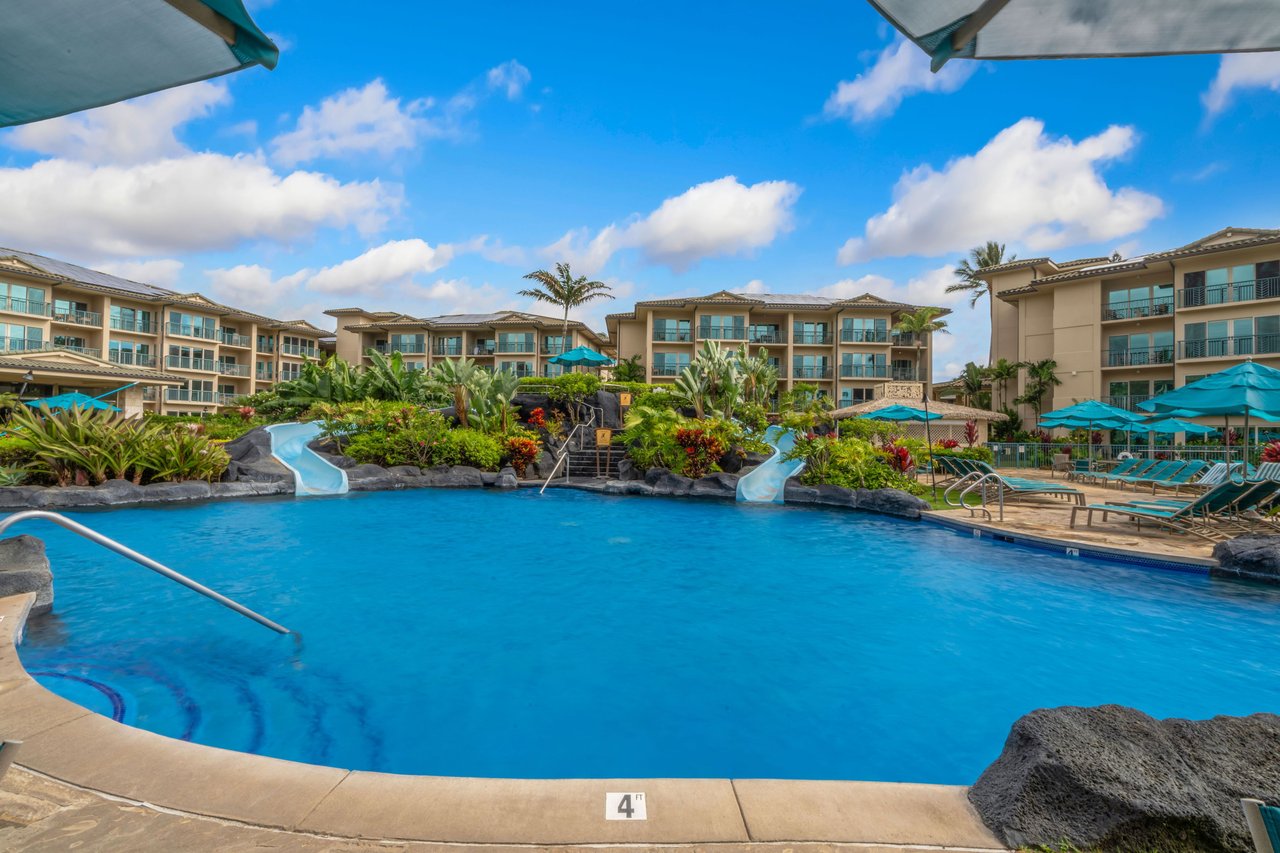
Banyan Harbor is a 148-unit condominium project at 3411 Wilcox Rd in Līhuʻe. According to the State of Hawai‘i condo registration report, the project shows 16% owner occupancy and lists OLS Hotels & Resorts LLC as the managing agent.
That matters because it points to a more resort-style ownership mix, not a typical owner-occupied condo building. In practical terms, Banyan Harbor may feel better aligned with guest use than some residential condo projects, but that still does not automatically mean every unit can be used however an owner wants.
Before choosing a rental strategy, you should verify the project declaration, bylaws, house rules, and any unit-specific limits. Even if a property has a guest-oriented setup, your real answer starts with the governing documents and county rules.
If you are considering vacation renting your unit, county rules are the first filter. Kaua‘i County says that short-term rental of a room or home for less than 180 days is not allowed outside the Visitor Destination Area, and the county states that these uses cannot be newly applied for outside that area.
The county also provides an official Transient Vacation Rentals page and VDA map resources. For a Banyan Harbor owner, the practical first step is to confirm the parcel location against those county records and compare that with the condo documents.
This is important because a vacation-rental plan can look promising on paper but fail on compliance. Before you think about nightly rates or occupancy, make sure the intended use is actually permitted.
If your unit can legally be used for short-term stays, the vacation-rental path may appeal to you for one big reason: income upside during active visitor periods. Kaua‘i had a strong visitor economy in 2025, with 1,419,943 visitors and $2.93 billion in visitor spending, according to DBEDT.
That broader tourism picture supports the idea that visitor demand remains real on the island. Monthly average daily census figures also showed seasonality, with lower and higher demand periods rather than a flat year-round pattern.
Still, Banyan Harbor owners should look closely at the Līhuʻe submarket, not just islandwide numbers. The Hawai‘i Tourism Authority’s December 2025 vacation rental report shows Kaua‘i vacation rentals at 50.5% occupancy with $613.72 ADR in 2025, while Līhuʻe posted 37.4% occupancy with $512.83 ADR.
That tells you something important. A short-term strategy may offer upside, but Līhuʻe was not the island’s strongest vacation-rental occupancy market in that report.
A vacation rental may make sense if you:
Because Banyan Harbor appears to operate with a guest-facing, resort-style profile, this route may feel like a natural fit for some owners. But that is a practical observation based on the property profile, not a guarantee of returns.
Short-term rentals usually bring more moving parts. You are not just collecting rent. You are also dealing with reservations, guest communication, cleaning schedules, operating costs, and tax filings.
Hawai‘i says owners of transient accommodations must register for GET and TAT, file returns, and pay GET on gross receipts and TAT on gross rental proceeds. Kaua‘i also adds a 3% county TAT, and the state notes that owners remain responsible even if a property manager handles rent collection or filings. You can review those requirements on the Hawai‘i Department of Taxation rental guidance page.
In plain English, the vacation-rental path can offer more revenue potential, but it also asks more from you in compliance and day-to-day operations.
If you prefer steadier income and less turnover, a long-term lease may be the better fit. In this context, that generally means a lease of 180 days or more.
For many owners, the biggest advantage is simplicity. You are usually dealing with one tenant over a longer stretch rather than a stream of short stays, cleanings, and booking gaps.
A long-term lease may make sense if you:
From a tax standpoint, the difference is meaningful. If the lease term is 180 days or more, TAT does not apply, although the income remains taxable and is still subject to GET, based on the state tax guidance.
Long-term leasing is not “hands off.” It simply shifts the compliance burden.
Under Hawai‘i landlord-tenant law, a security deposit cannot exceed one month’s rent, and the landlord must itemize and return the deposit within 14 days after the tenancy ends. Normal wear and tear remains the landlord’s responsibility, and the state has also established a mediation pilot for certain nonpayment cases beginning February 5, 2026, if the tenant requests mediation within 10 days. The deposit rules are outlined in HRS §521-44.
So while the long-term route often feels more stable, it comes with its own set of procedures. If a tenant stops paying or there is a dispute over damages, you need to be prepared to follow the law carefully.
Here is the simplest way to look at it:
| Option | Best For | Main Advantage | Main Tradeoff |
|---|---|---|---|
| Vacation rental | Owners focused on yield potential and flexibility | More upside during active visitor periods | More management, more filings, more rule sensitivity |
| Long-term lease | Owners focused on stability and simplicity | Steadier occupancy and fewer turnovers | Less peak-season upside, more landlord-tenant procedure |
The core question is usually this: Do you care more about upside or predictability? Your answer helps point you in the right direction.
Līhuʻe has clear advantages as a practical base on Kaua‘i. Banyan Harbor’s location near Kalapaki Beach and the airport supports its appeal for visitors who want convenience.
At the same time, market data suggests you should stay realistic. While Kaua‘i’s visitor economy remained active in 2025, the HTA report shows that Līhuʻe lagged stronger vacation-rental areas like Po‘ipū/Kukui‘ula and Princeville/Hanalei in occupancy.
That does not rule out a vacation-rental strategy. It simply means you should underwrite it carefully and not assume islandwide visitor strength automatically translates into top-tier short-term performance in this submarket.
It is also worth noting that Kaua‘i hotel performance is not a direct apples-to-apples comparison for an individually owned condo unit. HTA’s July 2025 hotel report showed 77.4% occupancy and $443.54 ADR for Kaua‘i hotels, but the report specifically excludes individually rented vacation condominiums and similar units.
Before choosing between a vacation rental and a long-term lease at Banyan Harbor, ask yourself:
These questions matter because the best strategy is rarely just about gross income. It is about fit, compliance, and your comfort level as an owner.
For many owners, the most defensible decision is a property-specific one. At Banyan Harbor, that means checking the condo documents, confirming county status, reviewing expected management costs, and deciding how much turnover and regulation you are willing to take on.
If you want yield potential and the property is properly cleared for that use, a vacation rental may be worth exploring. If you want simplicity, fewer moving parts, and a steadier rhythm, a long-term lease may be the stronger match.
Either way, you are better served by making the call with local market context, not guesswork. If you want help evaluating a Banyan Harbor condo or comparing investment options in Līhuʻe, connect with Jamie Friedman for thoughtful, island-informed guidance.


Market Update | Land on Kauai