Remote Buyer Guide To Purchasing At Puu Poa
April 2, 2026
April 2, 2026
Buying an oceanfront condo in Hawaiʻi from the mainland can feel exciting and a little intimidating at the same time. If you are looking at Puu Poa in Princeville, you are not just buying square footage. You are buying into a specific condo association, a visitor-area location, and a bluffside setting where rules, documents, and logistics matter. This guide will help you understand what to verify before you move forward, what makes remote buying work, and where to focus your due diligence so you can make a confident decision. Let’s dive in.
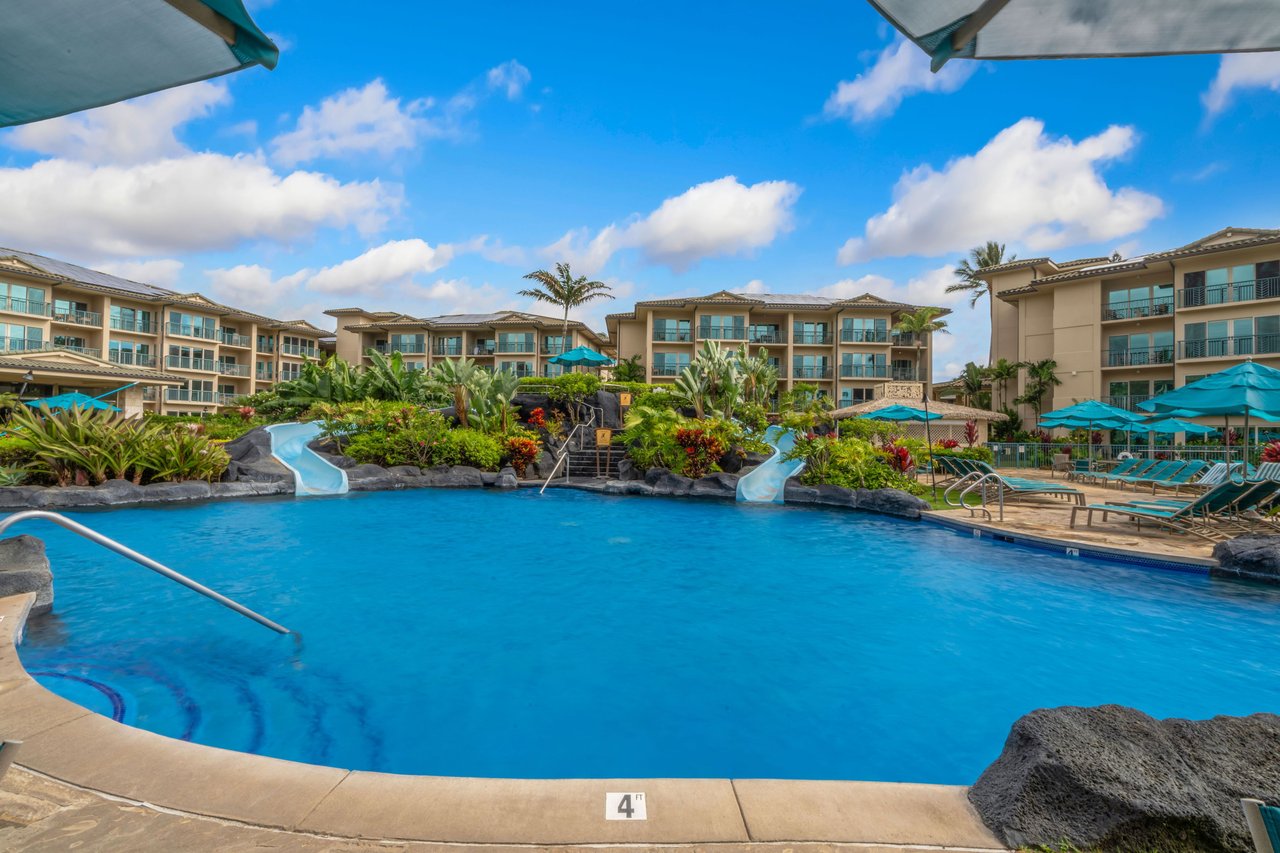
Puu Poa is a luxury oceanfront condominium community at 5454 Ka Haku Rd in Princeville. According to the Puu Poa association site, the property sits on a bluff overlooking the Pacific, is steps from Hideaways Beach, and includes 56 units across three buildings.
The same site highlights amenities such as a pool, on-site parking, EV charging, and a tennis court with pickleball overlays. It also makes clear that residents and guests are subject to house rules, which is an important reminder for any buyer, especially if you are considering personal use plus rental activity.
Puu Poa is also part of a larger Princeville setting that shapes how ownership works. Kauaʻi County’s general plan identifies Princeville as the North Shore’s primary visitor destination, while also noting that growth north of the Hanalei Bridge has been discouraged because of limited infrastructure and the area’s special character.
When you buy from off island, you lose the convenience of popping by the property, reading a bulletin board in person, or dropping into an office to ask follow-up questions. That does not mean buying at Puu Poa is harder than it needs to be. It means you need a more organized process from day one.
The good news is that Hawaiʻi closings are already set up for coordinated remote work. A neutral escrow company handles documents and funds, coordinates title work and payoffs, and closes once the deed is recorded with the county, as explained in First Hawaii Title’s escrow overview.
Still, remote convenience should never replace careful review. At Puu Poa, your buying decision should be based on the full condo file, the exact unit’s status, and a clear understanding of any rental, tax, and use rules that may apply.
One of the most important steps in any condo purchase is reviewing the association documents. For a remote buyer, this step becomes even more important because the documents often tell you what an in-person visit cannot.
Hawaiʻi condominium guidance says the seller must provide, at the seller’s expense and to the extent the documents exist and are obtainable, materials that may include:
You can review that document list in the Hawaiʻi Real Estate Branch bulletin on condominium resale documents.
At Puu Poa specifically, the association website already shows public access to some project information and references owner-area pages for bylaws, declarations, notices, meeting minutes, and financials on the association website. That is helpful for early research, but you should still request the full current package tied to the unit you want to buy.
Not every page in a condo package will carry the same weight. If you are buying remotely, start by zeroing in on the items most likely to affect your cost, use, and future planning.
Pay close attention to:
If the unit has had alterations, ask for any unit-specific approvals or records tied to that work. For remote buyers, this is especially useful because it helps confirm that changes to the unit were handled through the proper channels.
Kauaʻi County’s public record search can help you look up property data by address, tax map key, ownership history, sales search, and condo or CPR project name. That makes it a strong early screening tool when you are still narrowing down options from afar.
But the county also warns that improvement records may not reflect actual permitting, use permits, variances, or other restrictions. In plain terms, county records are useful, but they are not a substitute for reviewing the full condo file, escrow information, and any unit-specific documentation.
This is one of the biggest areas where remote buyers can make costly assumptions. Buying in Princeville does not automatically mean every unit works the same way for short-term rental use.
Kauaʻi County’s Transient Vacation Rental information explains that it is unlawful to conduct short-term rentals outside the Visitor Destination Area without a permit. The county’s FAQ also says the less-than-180-day limitation does not apply inside a Visitor Destination Area, and Princeville is identified as one of Kauaʻi’s main VDAs.
That is an important starting point, but it is only one part of the analysis. County status, condo association rules, and tax registration are three separate issues. A unit may be in an area where short-term rental use is possible at the county level, while the condo’s governing documents may still limit or regulate how the property can be used.
If you plan to rent the unit, make sure you understand Hawaiʻi’s tax framework. The Hawaiʻi Department of Taxation says rental income from a condominium or other dwelling unit is taxable.
The same guidance states:
Kauaʻi County also states that its county TAT is 3%, separate from the state TAT, and both state and county TAT must be paid separately. If rental use is part of your plan, confirm the current registration and filing requirements before closing.
If the property has been operated as a transient vacation rental, ask whether there is an existing file tied to that use. Kauaʻi County’s TVR FAQ says that when selling a TVR property, the seller should provide the buyer with the complete original file documenting legal TVR use, the most recent renewal application with attachments, and the renewal letter from the Planning Department.
The county also says a new owner should submit the current-year renewal application, minus attachments or payment, within 30 days of recordation to keep the TVR file current and correct. For a remote buyer, this is the kind of deadline you want on your calendar before closing, not after.
Puu Poa’s setting is one of its biggest draws, and it is also one of the reasons careful due diligence matters. Oceanfront and bluffside locations can involve a different level of review than an inland condo.
Kauaʻi County maintains Special Management Area and shoreline setback resources as part of its coastal permitting and sea-level-rise planning framework. That is a reminder that coastal hazards are part of the real-world ownership picture on Kauaʻi.
County actions can also reflect how quickly North Shore conditions change. For example, Kauaʻi has closed the Queen’s Bath access gate in Princeville when ocean conditions were hazardous, underscoring the need to respect local environmental conditions.
If short-term rental use is involved, there may be additional disclosure issues. Kauaʻi’s TVR renewal materials note that if a TVR is in a tsunami zone, the website advertising and the rental contract or confirmation must disclose that fact. The county also advises residents to know tsunami evacuation zones and identify the quickest route to higher ground ahead of time.
Most off-island buyers want to know the same thing: can you really do this without being physically present? In many cases, yes, but you should line up the process early.
Escrow in Hawaiʻi acts as the neutral party for funds and documents, and escrow often also handles prorations for items like taxes and HOA dues, according to First Hawaii Title. Sellers may also need to provide items such as liens, tax receipts, warranties, leases, and rental agreements to escrow.
On the recording side, the Bureau of Conveyances says e-recording is available through approved vendors for documents that qualify. For signatures, Hawaiʻi’s remote notarization rules mean that some documents may be signed through a commissioned remote online notary, while others may still require couriered wet signatures depending on the escrow workflow and the document itself.
For remote buyers, this is one of the most important practical risks to manage. The FTC warns that wire transfers are hard to reverse and should never be sent to someone you have not met in person.
In a real estate transaction, the safest habit is simple: verify wire instructions using a known phone number before sending money. Do not rely only on email, and do not assume last-minute changes are legitimate without direct verbal confirmation.
If you want a clear framework, use this checklist before you remove contingencies or send final funds:
A remote purchase at Puu Poa can go smoothly when the process is organized from the start. The key is not just finding a unit you like. It is making sure the documents, rules, closing steps, and property-specific details all line up with how you plan to use it.
That is where local guidance matters. When you are weighing condo documents, rental questions, escrow timing, and North Shore logistics from hundreds or thousands of miles away, having an experienced island team in your corner can help you stay focused on the details that matter most.
If you are considering a purchase at Puu Poa and want grounded, local guidance on how to evaluate the opportunity from afar, connect with Jamie Friedman for a clear, consultative path forward.




Market Update | Land on Kauai