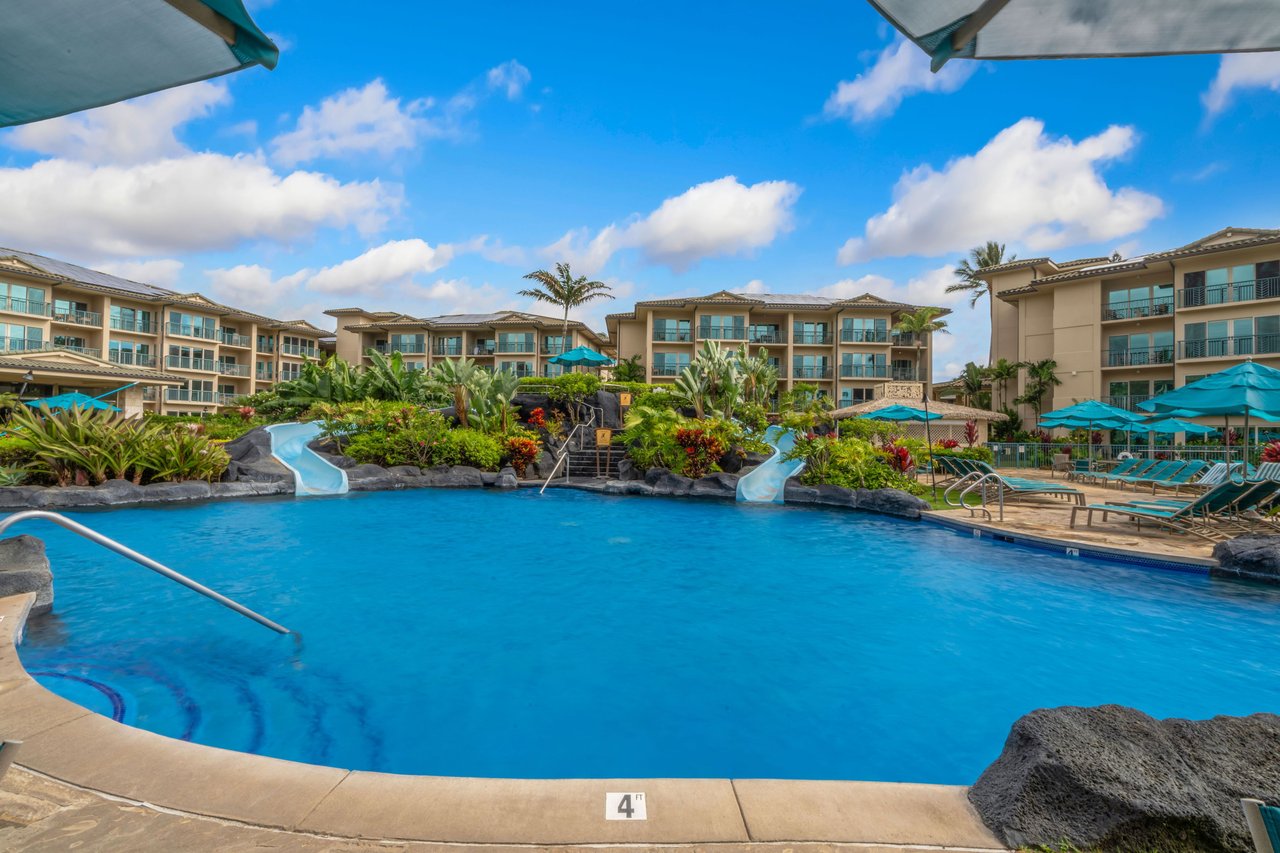
Trying to pick the best Waipouli floor plan from the mainland can feel like a puzzle. You want a place that feels great to live in, performs well as a vacation rental if you choose, and holds value over time. In this guide, you’ll learn how Waipouli layouts and orientations affect light, airflow, noise, rental income, and resale so you can shortlist the right stacks and views with confidence. Let’s dive in.
Waipouli floor plan basics
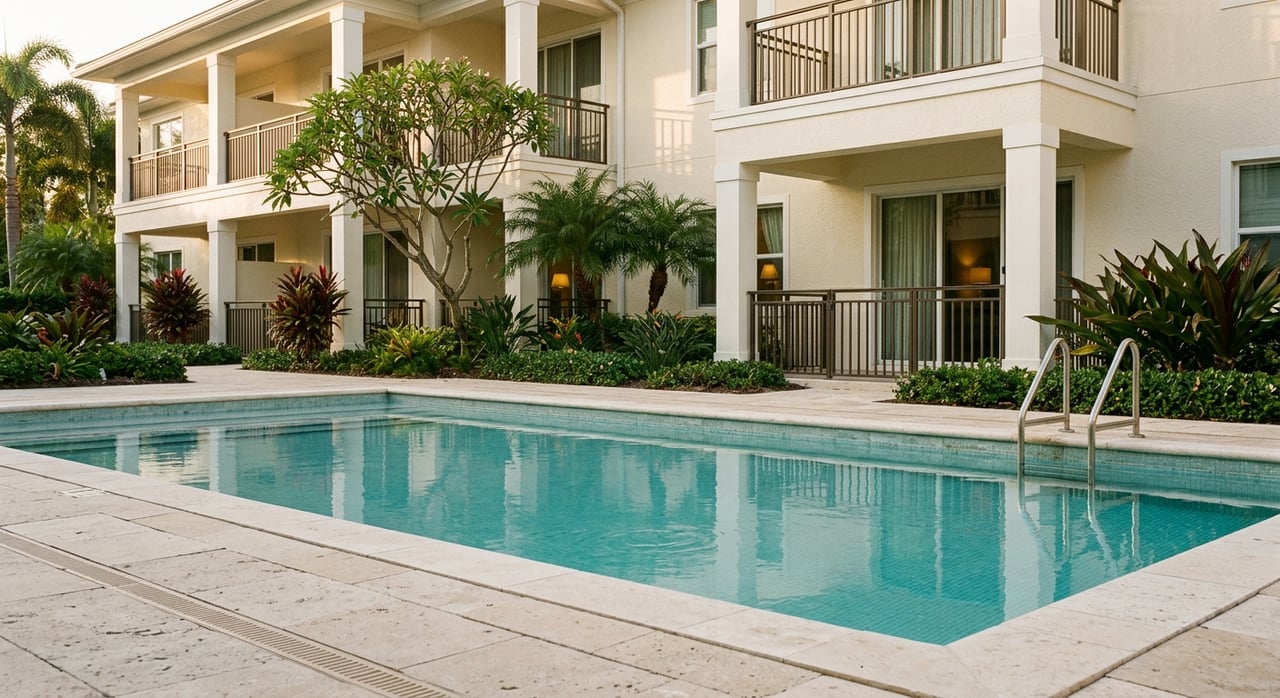
Waipouli Beach Resort in Kapa‘a is a resort-style condominium community where units are often used as vacation rentals, second homes, or primary residences. For current amenities and unit descriptions, review the official resort materials at Waipouli Beach Resort.
Like many resort properties, you’ll typically see a mix of studios and one- to three-bedroom condos. Floor plans can vary in bedroom count, kitchen layout, and lanai size. Some resort complexes also include divisible or lock-off configurations. Always confirm exact plan types, stacking patterns, and any lock-off options in the condominium declaration and as-built plats before you decide.
Why this matters: On Kaua‘i’s east shore, orientation and plan details drive daily comfort, rental appeal, and long-term maintenance. The sections below help you weigh tradeoffs the way experienced owners do.
Corner vs interior
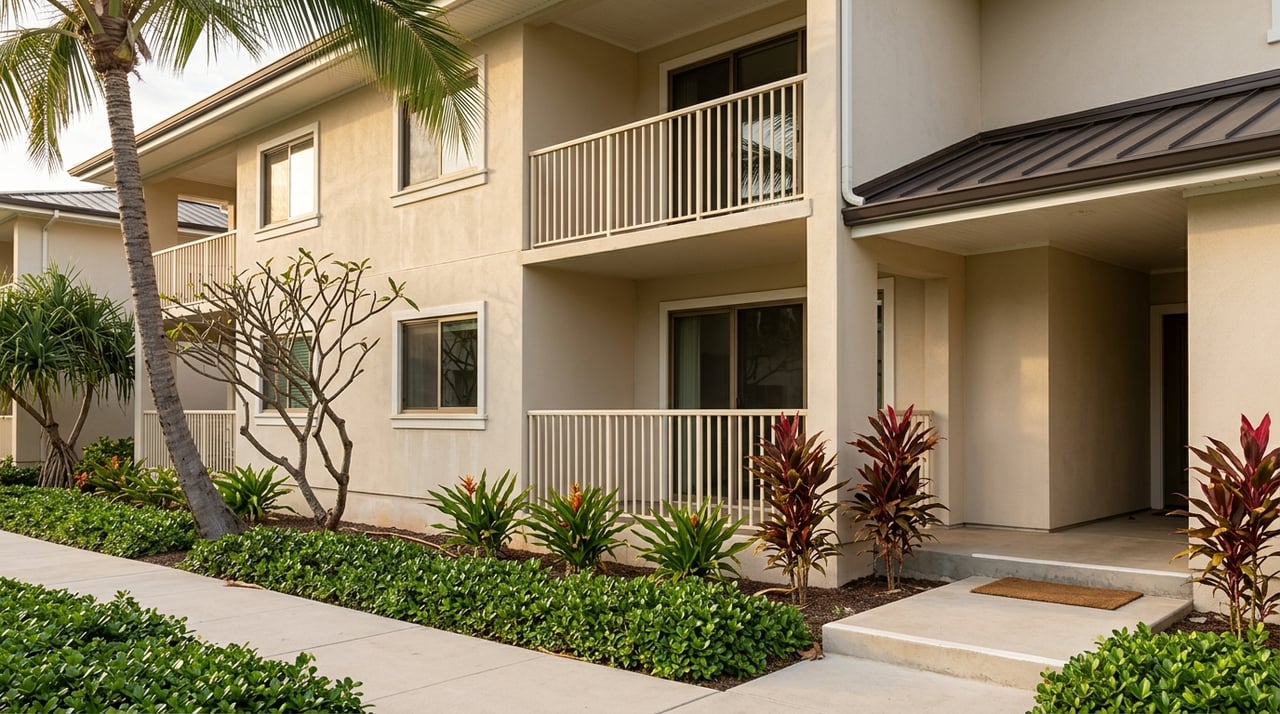
Corner units sit on two exterior walls, often with more windows and a larger or wrap lanai. Interior, or stacked, units share side walls and usually have one main exposure.
Living pros and cons
- Corner: more natural light, better cross-ventilation, and multi-angle views. Expect more wind exposure from northeast trades and potentially more morning sun.
- Interior: easier to furnish and often quieter due to fewer exterior walls. Natural light and airflow are usually more limited.
Rental pros and cons
- Corner units often command a nightly premium when views and lanai space stand out.
- Interior units can perform well if priced right or located near popular amenities and beach access.
Resale snapshot
- Corner units are less common and generally see stronger resale adjustments for view quality. Interior units appeal to budget-focused buyers or owners prioritizing simplicity.
Ocean vs mountain views
On the east shore, ocean-facing units catch sunrise and more direct trades. Mountain-facing units look inland toward ridges and can feel calmer in the afternoons.
Living pros and cons
- Ocean-facing: sunrise views and beach energy that many love. Expect more wind and salt air, which increases exterior maintenance on doors, railings, and metal finishes.
- Mountain-facing: usually more protected from direct ocean wind, often quieter in the evening, and can feel cooler later in the day.
Rental and resale
- Ocean views on Kaua‘i consistently command higher rates and resale premiums.
- Mountain or side views can appeal to owners prioritizing quiet, privacy, and lower upkeep.
Floor levels
Floor level influences access, views, and noise.
- Ground and lower floors: easy access to pool and beach routes and fewer elevator waits. You may trade off privacy, sunlight, and quiet during peak seasons.
- Mid floors: a balanced blend of access and view, often with moderate noise levels.
- Upper floors: typically better views and more privacy. Expect stronger wind on some days and reliance on elevators.
For rental demand, ocean-view upper floors generally achieve the highest nightly rates. Lower floors can attract guests who value quick access and mobility ease.
Lanai size and airflow
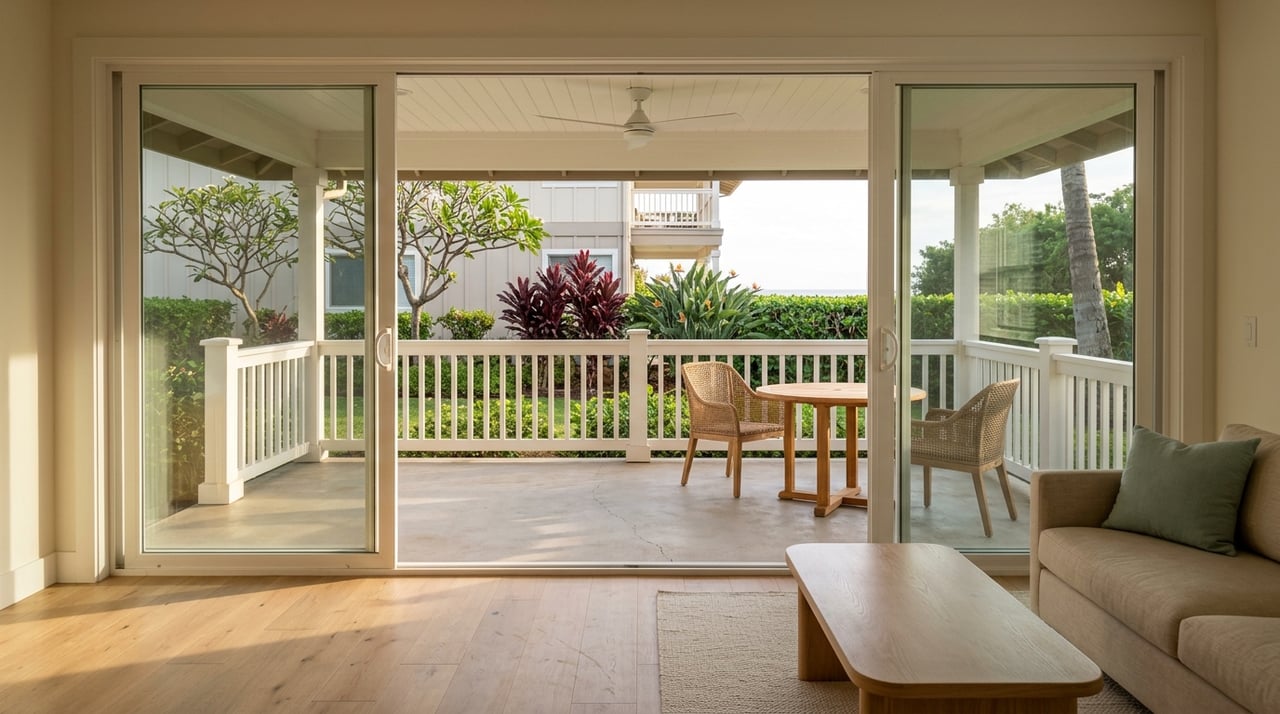
A larger lanai is a major lifestyle upgrade at a resort property. Outdoor dining, morning coffee, and sunset seating all hinge on usable lanai space. Orientation shapes comfort:
- Ocean-facing lanais are great for early light and sunrise.
- Mountain-facing lanais can be more comfortable in the late afternoon.
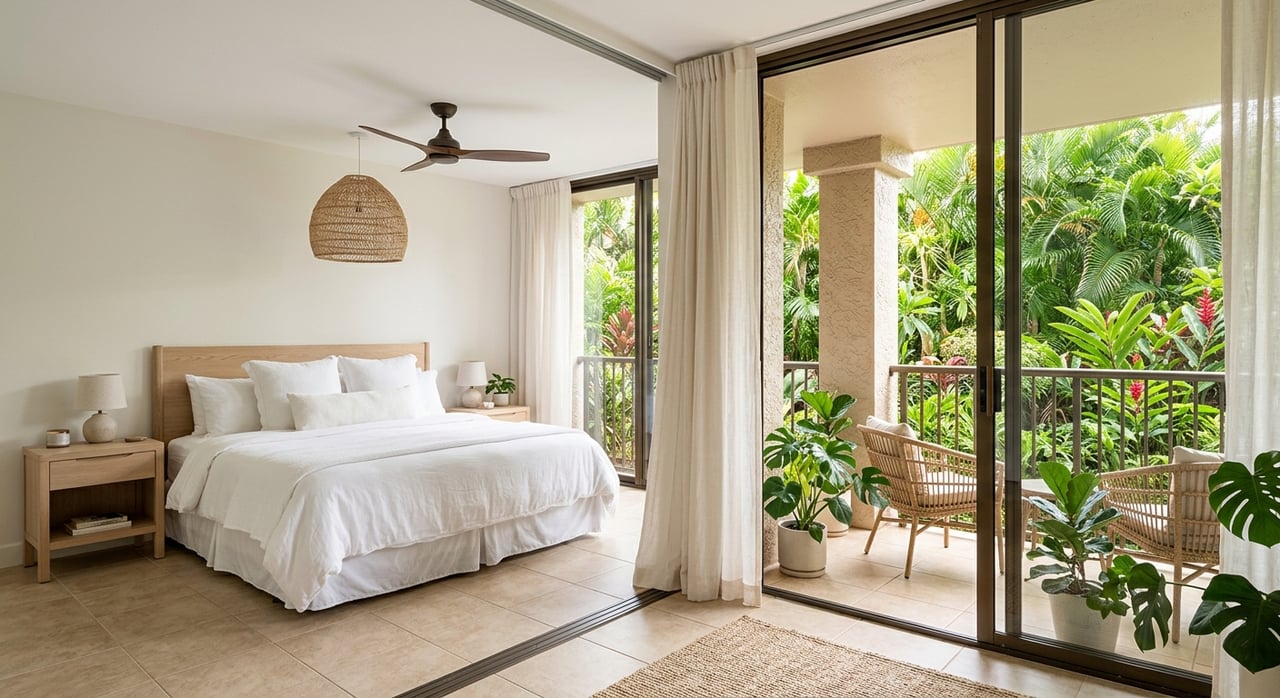
Corner units tend to offer better cross-breezes. Confirm whether an individual unit has central HVAC, split AC, or window units. Ventilation and AC setup will affect guest comfort and energy costs.
Noise and privacy
At any resort, plan location matters. Units near pools, elevators, restaurants, service areas, parking, or main roads can experience higher noise. On your shortlist, request a virtual sound check on the lanai and at shared walls. Ask where speakers, delivery paths, and mechanical rooms sit relative to the stack. A few feet in either direction can make a big difference.
Rental rules and taxes
Before you assume nightly rental use, verify the condominium declaration, bylaws, and house rules. Short-term rental rules vary by association and can change. You should also review local regulations and state tax requirements:
Confirm registration, reporting, and any permits with the association and the relevant agencies. Do not rely on third-party listings for compliance details.
Insurance and coastal exposure
Waipouli is a coastal resort environment. Check FEMA flood maps, tsunami evacuation zones, and elevation for your unit and building. Expect higher maintenance for salt-air exposure on sliders, railings, hardware, and exterior finishes. Ask for recent HOA budgets and reserve studies to understand how the association plans for these costs.
Financing and operating costs
Some lenders apply stricter underwriting to resort condos or condo-hotels. If you plan to finance, speak with lenders familiar with Kaua‘i resort properties early. For operating costs, review monthly HOA dues, insurance allocations for common areas, management fees, and any historic or pending special assessments in meeting minutes.
Best picks by owner goal
Use these quick profiles to narrow your angle of attack.
If your top goal is rental revenue
- Prioritize upper-floor ocean-facing units. Corners with larger lanais and strong sight lines tend to command higher nightly rates.
- Tradeoff: higher purchase price and more exterior maintenance from wind and salt.
If you want owner-occupancy comfort
- Consider a mid to upper level with mountain or side views for calmer afternoons and quieter evenings. A corner can add light and cross-ventilation without overpowering winds.
- Tradeoff: less rental rate premium if you later pivot to nightly rentals, though demand can still be solid.
If you want low-hassle remote ownership
- Look at interior stacks with modest lanais away from pools and service areas. These can be easier to maintain and may bring fewer guest noise complaints.
- Tradeoff: lower rate ceiling than prime ocean-view corners.
Due diligence checklist for remote buyers
Request these items before you commit to a specific floor plan or stack:
- Governing docs: condominium declaration, bylaws, house rules, and any rental program details.
- HOA health: minutes for the last 12 months, current budget, reserve study, and any approved or pending special assessments.
- Unit specifics: as-built plat and floor plan, exact orientation and view photos from the lanai, floor level, and assigned parking details.
- Rental performance: 12 to 24 months of historical income and occupancy by month, management fees, and a pro forma if available.
- Maintenance history: records of upgrades, water incidents and repairs, appliance ages, AC type and service history, plus any recurring issues such as humidity or odor.
- Building infrastructure: elevator service history, roof and exterior paint schedules, pool and mechanical maintenance, and long-term capital plans.
- Compliance and taxes: proof of any short-term rental registration, plus TAT and GET compliance if applicable. Confirm with the County of Kaua‘i and the Hawai‘i Department of Taxation.
- Virtual walkthrough: live video with sound checks near the lanai and shared walls, water pressure test, hot water check, storage inspection, and photos of the electrical panel and plumbing access.
- View verification: if permitted, request drone or rooftop angles to confirm sight lines and any potential obstructions.
Quick comparisons at Waipouli
- Want sunrise and the sound of the ocean? Choose an ocean-facing stack, ideally on an upper floor.
- Want calmer afternoons and privacy? Consider a mountain-facing or side-view orientation.
- Want light and breezes without too much wind? A corner on a mid to upper floor can offer balance.
- Want fewer maintenance surprises? An interior stack with smaller lanai often means less exposure to salt and wind.
- Want fewer guest noise complaints? Avoid stacks near pool speakers, restaurants, and service zones.
Next steps
- Confirm the exact floor plan, orientation, and lanai size using the condo plat and governing documents.
- Line up a virtual tour that focuses on view, noise, and airflow at different times of day.
- Compare rental performance of similar stacks and floors, not just bedroom counts.
- Verify county rules and state taxes for your intended use, and confirm compliance steps with the association and the agencies linked above.
- Speak with lenders who understand resort condos on Kaua‘i so you know your financing options.
If you want a local, no-pressure guide to help you select the right Waipouli plan for your goals, reach out to Jamie Friedman. We help remote buyers evaluate stacks, views, and documents so you can move forward with clarity.
FAQs
What makes a Waipouli corner unit valuable?
- Corners usually offer more windows, cross-ventilation, and multi-angle views, which can improve daily comfort and boost rental appeal and resale due to scarcity.
Are ocean views at Waipouli worth the premium?
- On Kaua‘i, direct ocean views typically command higher rental rates and stronger resale. Balance the premium against added wind and salt exposure and your primary use.
Which floor level rents best year-round at Waipouli?
- Upper floors with unobstructed ocean views generally achieve the highest nightly rates. Lower floors can still perform well for guests who prioritize access and convenience.
How do Kaua‘i rental rules affect Waipouli owners?
- Association rules and county regulations govern short-term rentals. Confirm both the condo docs and County of Kaua‘i resources before assuming nightly rental use.
What taxes apply if I rent my Waipouli condo?
What should I verify before making an offer remotely?
- Get governing docs, recent HOA minutes and budgets, unit plats and view photos, rental history, maintenance records, and a live virtual walkthrough with noise and airflow checks.