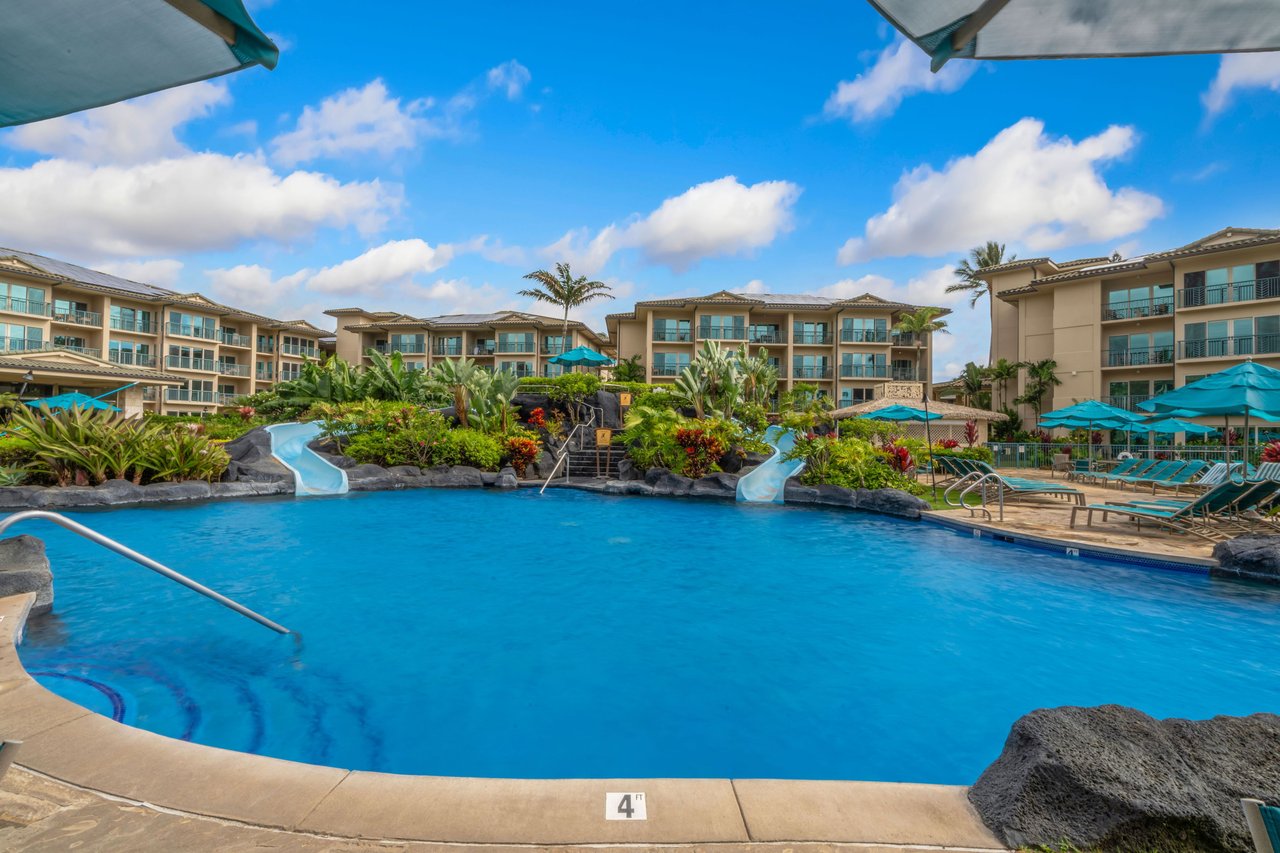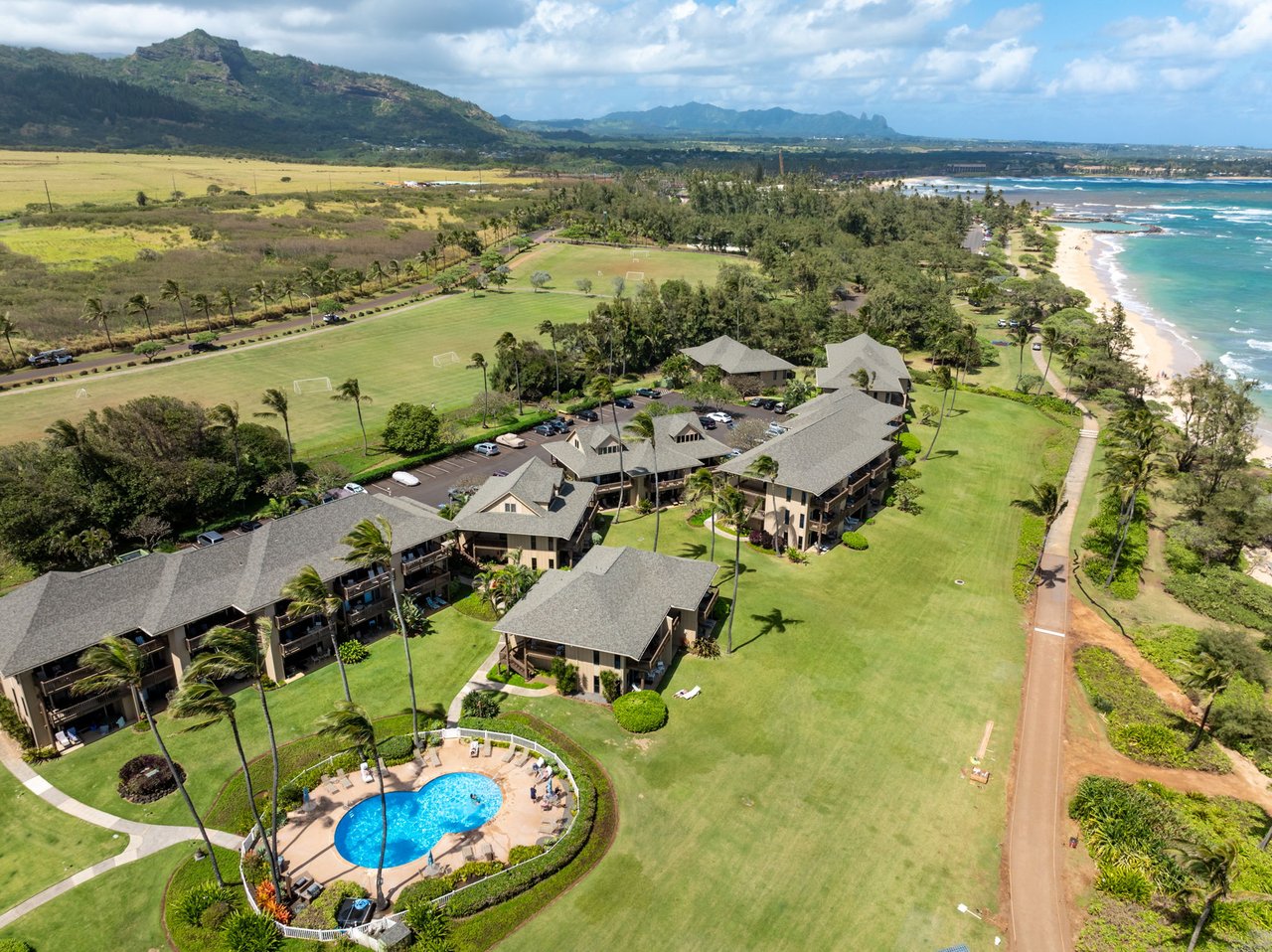
Kaha Lani Oceanfront Lifestyle: What Daily Living Feels Like
February 5, 2026
February 5, 2026
Imagine starting your day with a sunrise walk along the shoreline, trade winds keeping you cool as waves roll in. If you are researching from the mainland, it can be hard to picture what life actually feels like at an oceanfront condo in Līhuʻe. This guide gives you a clear, on-the-ground look at everyday living at Kaha Lani, from beach access and errands to climate, noise, and ownership details. You will get a balanced view with simple next steps to help you plan a smart visit. Let’s dive in.
Kaha Lani sits along Kauaʻi’s east shore, near one of the island’s most convenient beach parks. Lydgate Beach Park is the closest major beach in this area. You can expect calm swimming zones thanks to protected shoreline enclosures and lifeguard coverage at peak times. For many residents, it becomes a daily go-to for ocean dips, shoreline walks, and low-stress snorkeling.
You also have access to east-side coastal walking and biking routes that link parks, beaches, and small shopping pockets. This makes it simple to build movement into your day. Walking or cycling for fitness, quick strolls to the beach, and sunset or twilight outings are all part of the rhythm here.
Trade-wind mornings are often the best time to get outside. You might walk the coast, jog the paved routes, or enjoy a quiet swim near protected areas. Sunrises on the east side are a daily highlight when weather cooperates.
Midday is great for quick errands in Līhuʻe or a casual meal at a local cafe. When the ocean is choppy, you can opt for inland activities like river kayaking or nearby hikes. Short drives put a lot of Kauaʻi experiences within easy reach.
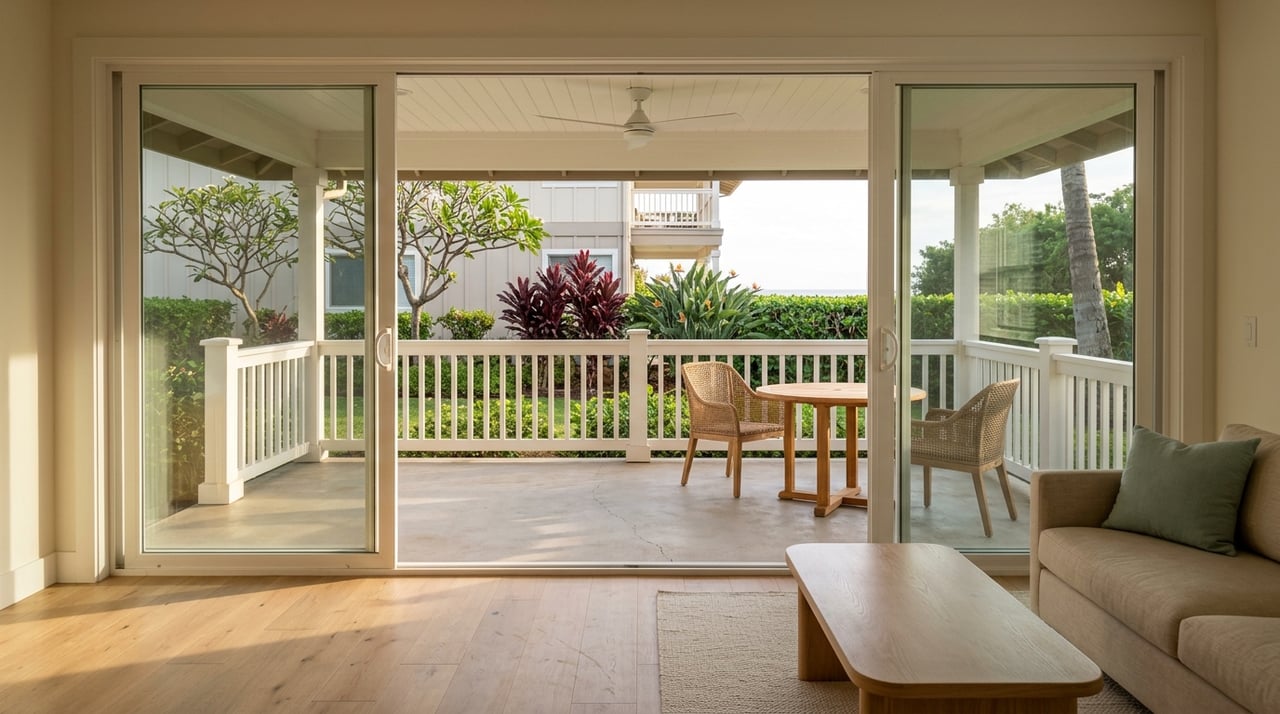
As breezes pick up, you can surf nearby breaks, paddleboard when conditions are right, or relax on your lanai. In wetter months, brief showers are common in the afternoon. Keeping a light jacket or umbrella by the door is a simple habit that pays off.
Evenings tend to be relaxed. You might plan a casual outdoor dinner, then wind down with the sound of the surf. During peak visitor seasons, shared parks and paths can be busier, but you can usually find a quieter nook with a short stroll.
Living oceanfront near Līhuʻe means your daily basics are close. Groceries, pharmacies, medical clinics, and hardware stores are concentrated in town. You will still rely on a car for most errands, but your drives are typically short compared to more remote parts of the island.
Līhuʻe Airport is just a short drive, which simplifies travel days and pickups. Keep in mind that aircraft noise varies by unit orientation, time of day, and flight paths. The best way to judge it is to visit at different times and listen from the lanai and bedrooms.
Kauaʻi has a tropical climate with frequent trade winds that temper heat. On the island’s southeast side, Līhuʻe generally feels moderate compared to rainier north-shore pockets. Expect wetter months roughly November through April and a drier stretch midyear.
Surf and wind conditions change with the seasons, which affects which beaches are best for swimming or surf on a given day. Day to day, you will notice the sound of the ocean first. Depending on your location and orientation, you may also hear road traffic at peak times or occasional aircraft.
A simple due diligence step is to visit during morning, afternoon, and evening on both a weekday and a weekend. Note wind direction, surf noise, and any aircraft patterns. This helps you understand your personal comfort level before you make a decision.
Oceanfront living is special, and it comes with real-world upkeep. Salt air and humidity can speed up corrosion on metal railings, fixtures, hardware, and exterior finishes. Plan for more frequent exterior care and regular checks on HVAC equipment.
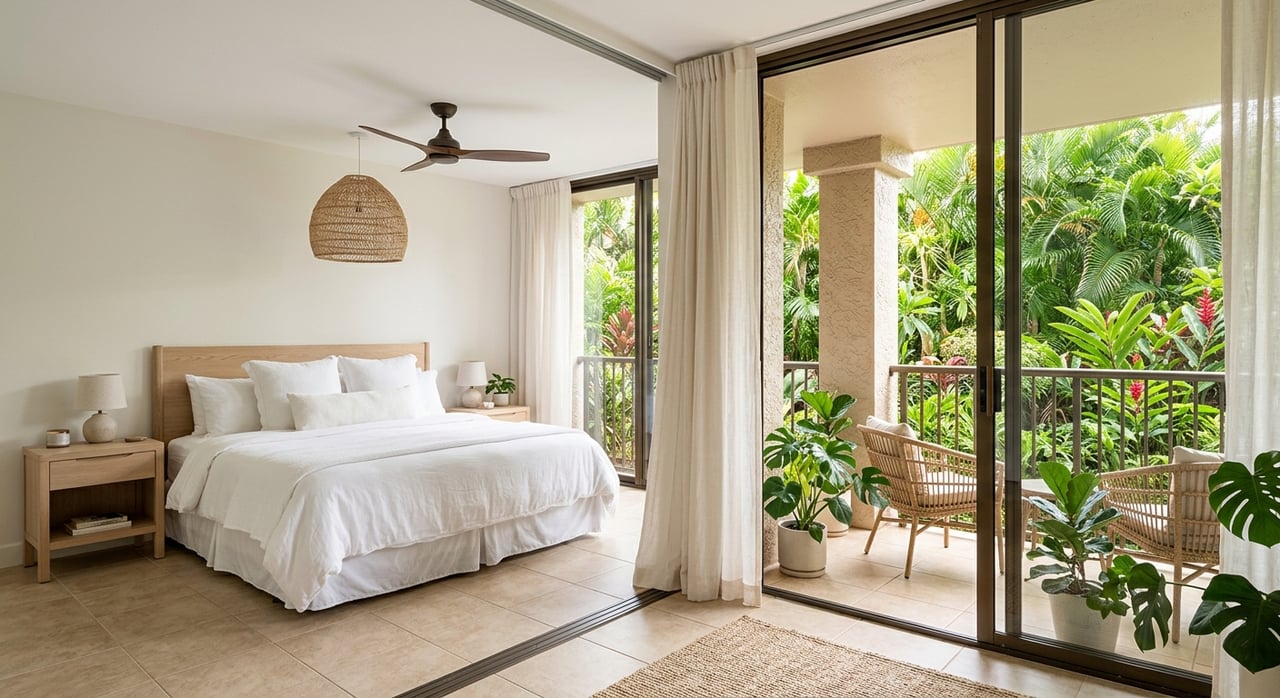
Higher humidity also means ventilation matters. Units with good airflow feel more comfortable and can reduce the chances of mildew in poorly ventilated spots. Termites and other pests are a local reality, so confirm ongoing pest-control measures and inspection history.
Most oceanfront areas carry some level of flood or tsunami risk. It is smart to review FEMA flood maps, Kauaʻi County hazard layers, and tsunami evacuation routes before you buy. While major storms are infrequent, tropical systems do reach the islands, so building codes, insurance coverage, and a basic preparedness plan deserve attention.
When you visit, ask for flood zone information, elevation details if available, and recent insurance history. Checking official sources like FEMA, the National Weather Service, and Kauaʻi County resources will help you verify what you learn on site.
Every condo community is different. Review what common areas are available and how you plan to use them. Hours, guest policies, and rules for shared spaces shape day-to-day living. Unit orientation also matters. Sun, wind, view lines, privacy, and noise exposure can vary a lot even within the same building.
Oceanfront complexes often carry higher HOA fees to cover landscaping, exterior care, and insurance. Ask what your dues include, how reserves look, and whether there is a history of special assessments. Review CC&Rs, bylaws, meeting minutes, and the latest reserve study so you understand both the numbers and the plan for upcoming work.
Flood and windstorm coverage in coastal Hawaiʻi may be separate from a standard condo policy. Confirm what the master policy covers and whether it is bare-walls or all-inclusive. Then price out any owner-level policy you would need to fill gaps.
Kauaʻi County has specific rules for transient vacation rentals and enforcement has increased in many areas. The HOA may have stricter policies than the county, including minimum lease lengths or full prohibitions. If you plan to rent, confirm whether short-term stays are allowed, what licenses you need, and how transient accommodations tax and general excise tax will apply.
Utilities on Kauaʻi are provided by local companies. Ask which services are included in HOA dues and which are separately metered. Internet options can vary by building and provider. If you work remotely, verify real-world speeds, provider choices, and reliability in the specific unit you are considering.
If you plan to own part-time, local property management can help with cleaning, maintenance, and emergency response. Include those costs in your budget from the start.
Kaha Lani tends to appeal if you value easy beach access, sunrise walks, and convenient errands in Līhuʻe. You get a mix of oceanfront calm and practical access to daily needs. If you appreciate an active outdoor lifestyle, balanced with simple logistics for shopping, healthcare, and travel, this location is worth a close look.
If Kaha Lani’s oceanfront lifestyle sounds right for you, let’s make a plan to tour at the right times of day, review HOA and insurance details, and confirm the facts that matter to your purchase. Reach out to schedule a consult with Jamie Friedman for local guidance tailored to your goals.


Market Update | Land on Kauai