Princeville Oceanfront Condo Trends Explained
December 18, 2025
December 18, 2025
Is an oceanfront condo in Princeville calling your name, but the market feels confusing from afar? You are not alone. With limited inventory, seasonality, and unique coastal factors, this niche moves differently than inland North Shore properties. In this guide, you will learn what truly drives price, speed, and demand for Princeville oceanfront condos, using Puu Poa as a clear lens for how the segment behaves. Let’s dive in.
Princeville sits on Kaua‘i’s North Shore with a finite shoreline and strict planning and setback rules. That limited supply often keeps competition strong when a quality oceanfront unit hits the market. Even small changes in inventory can shift pricing power.
Buyer demand has a seasonal rhythm. Interest from mainland buyers often rises in fall and winter, while spring and summer bring steady lifestyle-driven searches. Visitor trends and available flights also shape investor interest in vacation-friendly condos.
Oceanfront brings a premium for the view and proximity to the water. These homes often go under contract faster than similar inland units. At the same time, carrying costs can be higher because of insurance, salt exposure, and HOA needs, and those factors can influence days on market if buyers are surprised late in the process.
Local policy and insurance matter. County rental rules, state taxes on rentals, and the cost and availability of wind and flood coverage all affect investor math. These factors ripple into pricing, marketing time, and the number of offers.
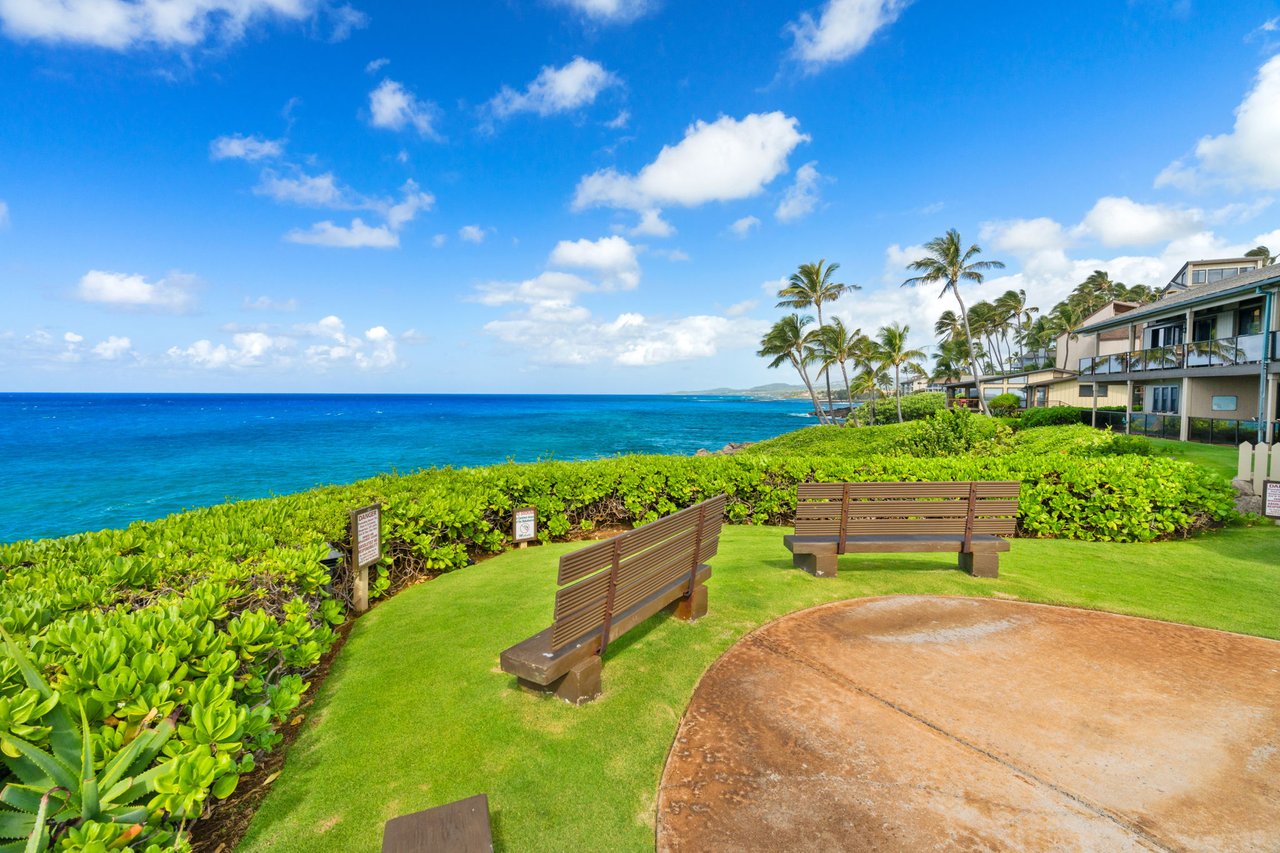
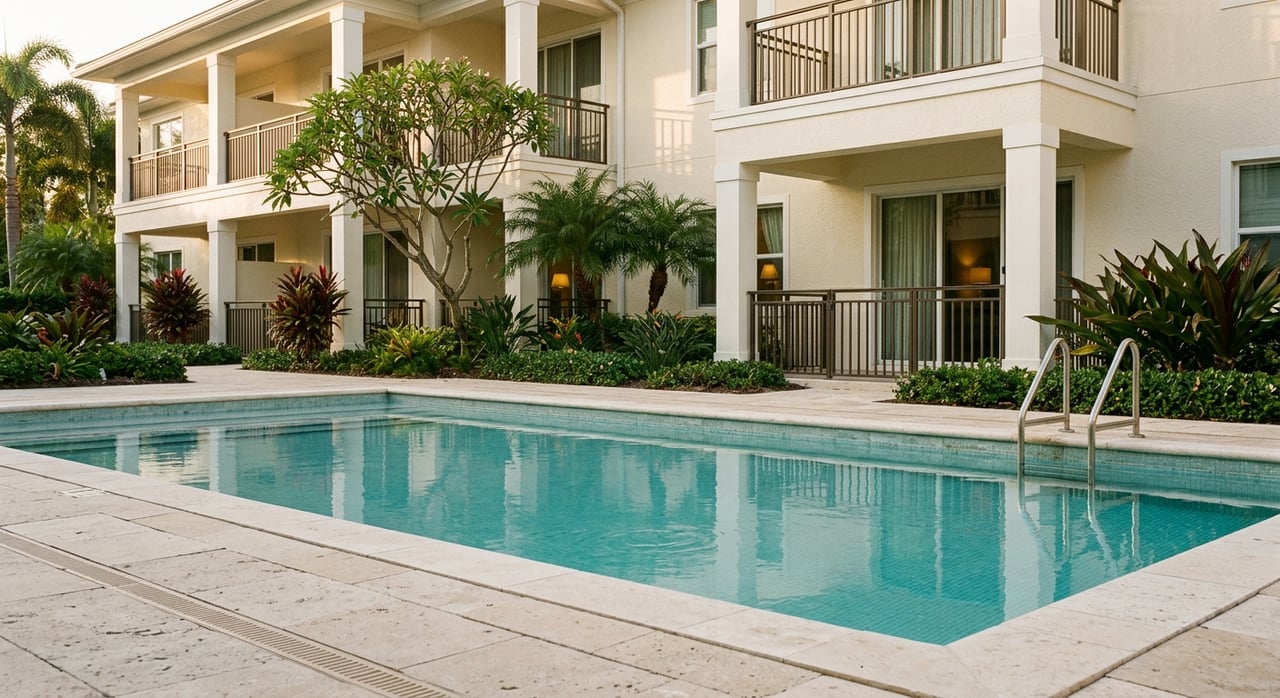
Puu Poa is a well-known oceanfront condominium complex in Princeville. While every building has its own story, Puu Poa illustrates the core value drivers you should evaluate.
Confirm if units are fee simple and whether short-term rentals are allowed. If STRs are permitted, understand any county registration processes, permit caps, and owner responsibilities. These details directly impact valuation and your lender’s comfort.
Ask what the monthly HOA covers: reserves, master insurance, utilities, cable or internet, and common-area maintenance. Review the most recent reserve study and meeting minutes to see if any special assessments are planned. A clear picture of reserves helps you price risk and avoid surprises.
Consider recent exterior or common-area improvements: roofing, siding, concrete, elevators, pool, or tennis. Salt air can accelerate wear. The cadence of maintenance projects influences both carrying costs and buyer confidence.
Oceanfront condos often operate with less available inventory than inland alternatives. A sub-3-month supply signals a seller-leaning market with quicker sales and more competitive terms. A 3 to 6 month supply is more balanced, while 6 months or more favors buyers. To get precise, track the oceanfront segment only rather than broad island stats.
Expect more listings in late summer and fall and stronger buyer activity in fall and winter. If you are buying, being ready with proof of funds or a well-structured jumbo pre-approval before peak season can help you act quickly. If you are selling, bringing a polished listing to market just ahead of a demand pulse can set you up for strong early traffic.
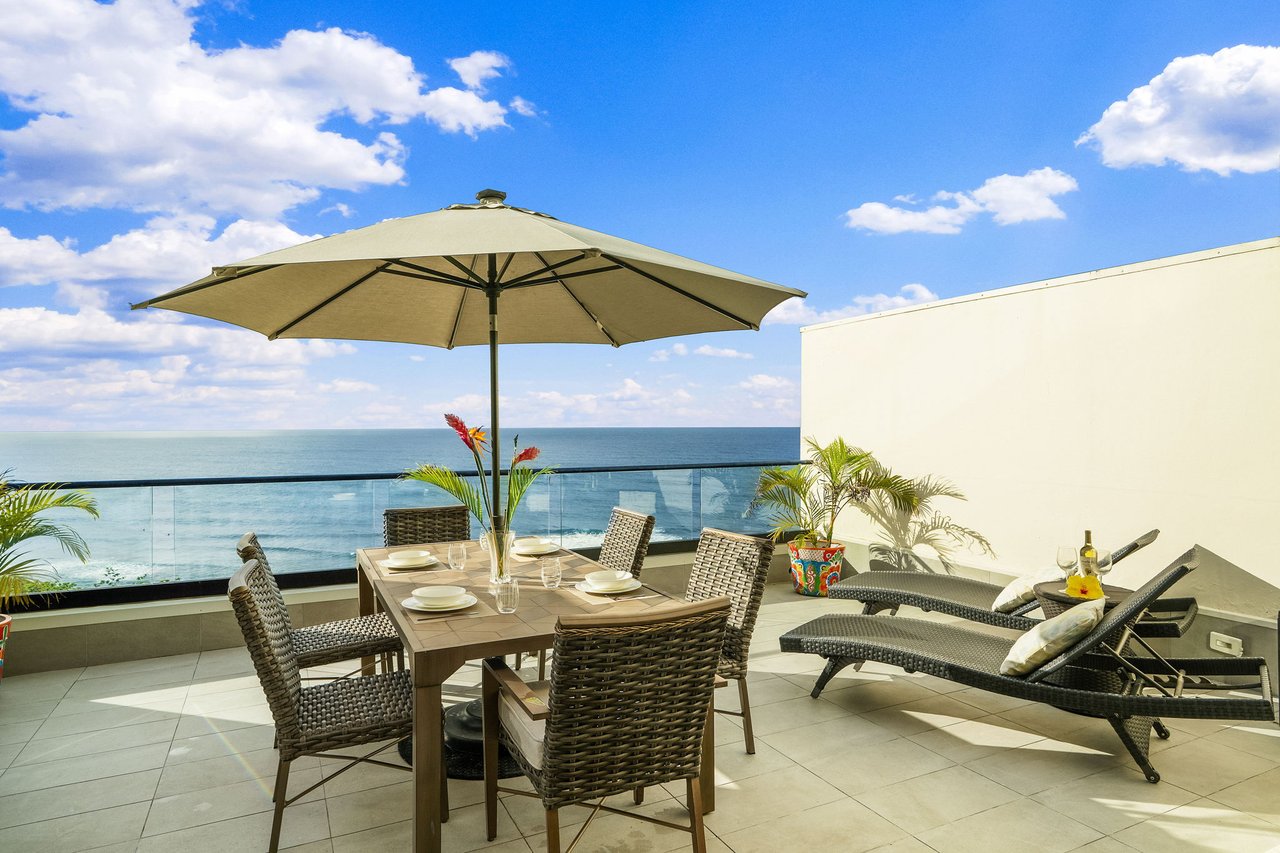
Direct oceanfront, uninterrupted view corridors, and larger floor plans tend to place a unit in a higher tier. Corner exposures, expansive lanais, and privacy also lift appeal.
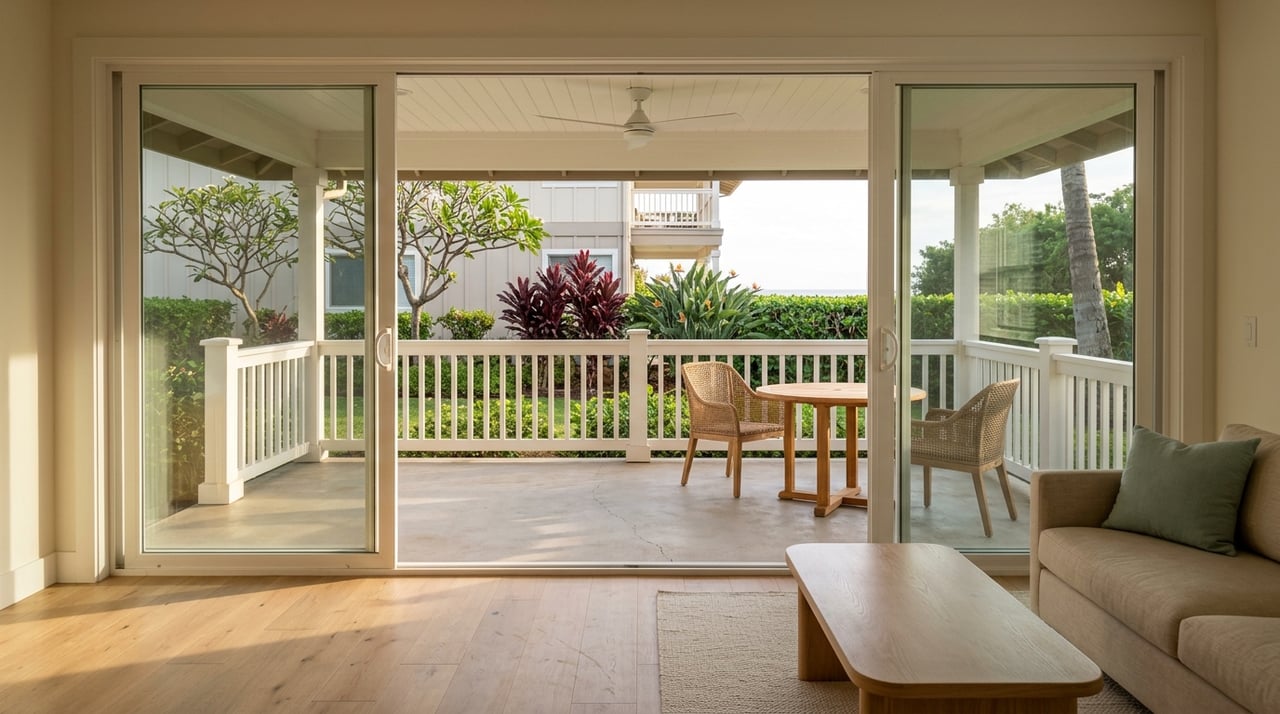
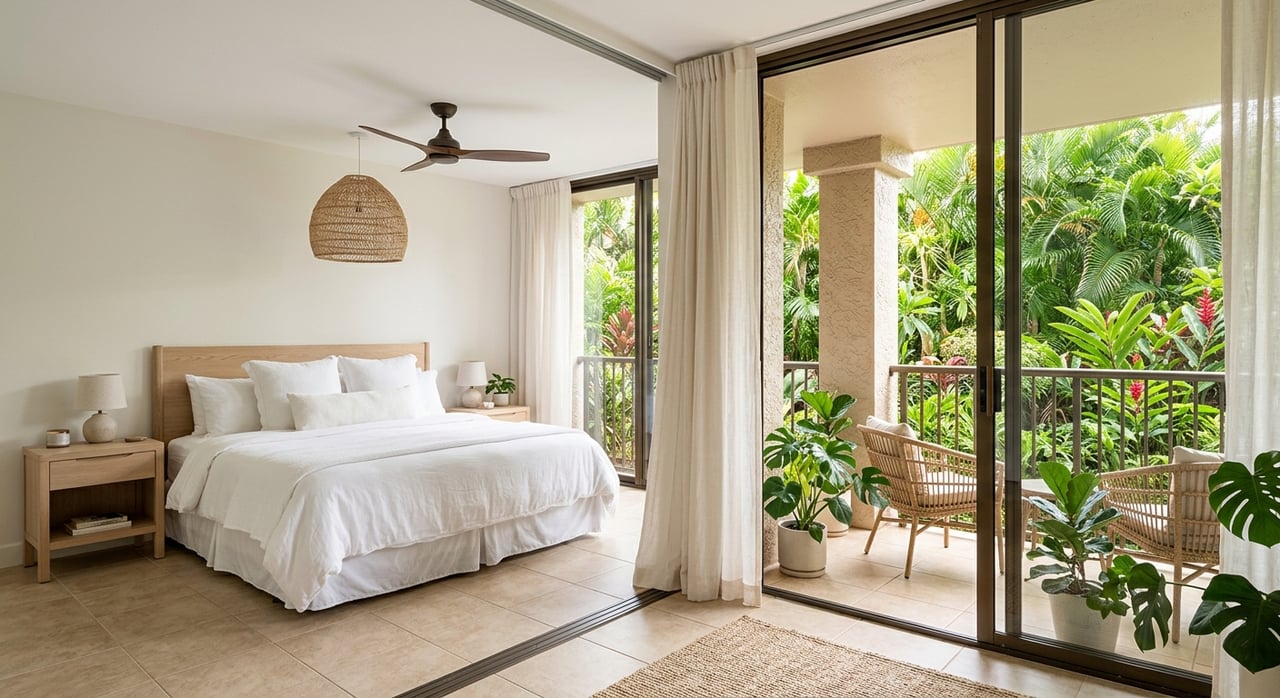
Renovated units with modern finishes, updated windows and sliders, and efficient climate control attract stronger offers. Move-in-ready homes reduce your time-to-enjoyment and, for investors, shorten the timeline to revenue.
Oceanfront is scarce. When a well-located, well-priced unit with the right view hits the market, emotional demand can shorten days on market. Unique or highly priced residences can take longer while the right buyer emerges.
Using inland comps will understate the value of true oceanfront. Work from oceanfront comparables with similar views, floor plans, and condition. Overpricing can stall momentum and lead to larger discounts later.
Marketing times tend to compress during peak mainland buying seasons. If you miss the early wave with an aggressive price, you may be waiting for the next demand pulse.
Oceanfront units often command a clear acquisition premium. Carrying costs can be higher due to master insurance, individual policies, and salt-driven exterior care. Inland properties can deliver more space per dollar, but not the same view or direct access.
Expect different coverage needs for coastal property. Flood zone designations, wind coverage, and elevation can affect premiums and underwriting. Get quotes early and understand what the condo master policy covers versus your individual policy.
Jumbo loans are common in the luxury segment. Some lenders apply stricter standards for buildings with coastal or erosion risk or for leasehold structures. Cash offers remain powerful in competitive situations.
If legally permitted, STR potential can support the purchase case. Actual occupancy and nightly rates vary by season, view, finishes, and management quality. Build your pro forma from real, local performance data rather than generic calculators.
Coastal Hawaii carries meaningful long-term considerations. Before you write an offer, work through a targeted risk review:
You deserve a team that blends island knowledge with modern marketing. The Morgan Friedman Team works across Kaua‘i and knows the nuances of oceanfront vs inland, STR policy, escrow logistics, and remote-buyer expectations. We pair warm, relationship-first service with data-informed guidance, polished media, and diligent contract management.
Thinking about buying or selling an oceanfront condo in Princeville or evaluating Puu Poa specifically? Let’s talk strategy, timing, and due diligence so you can move with confidence. Reach out to Jamie Friedman to get started.

Market Update | Land on Kauai