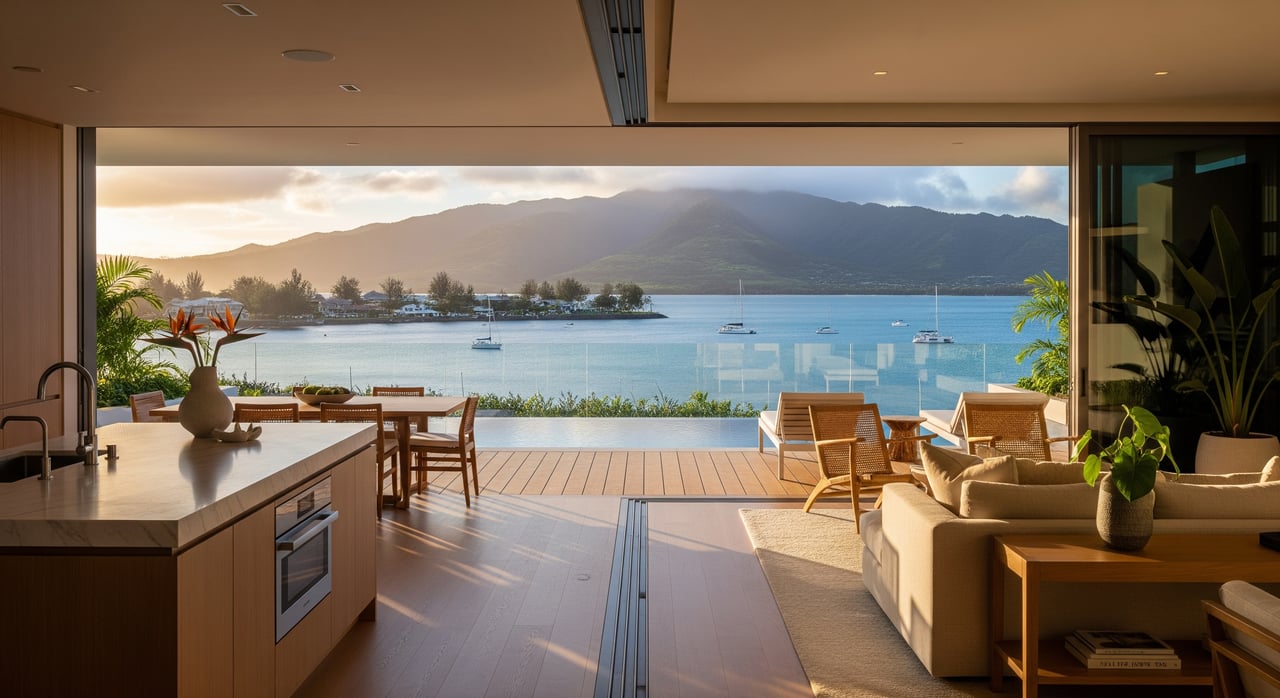
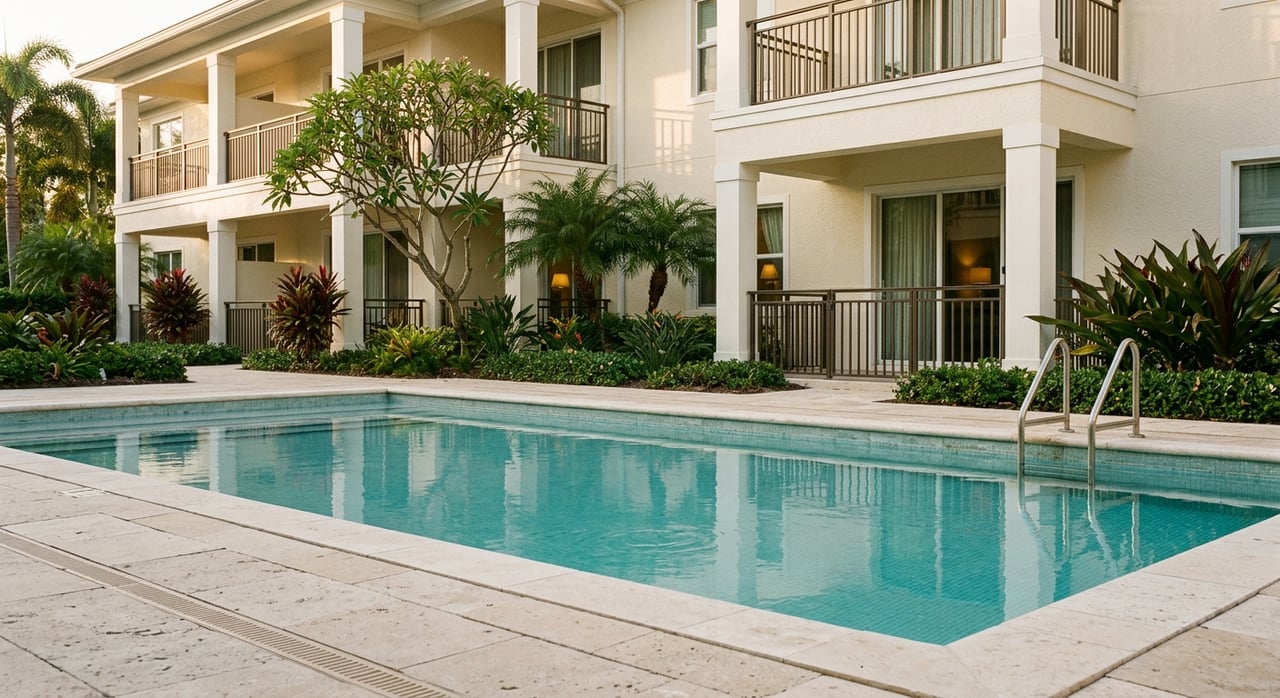
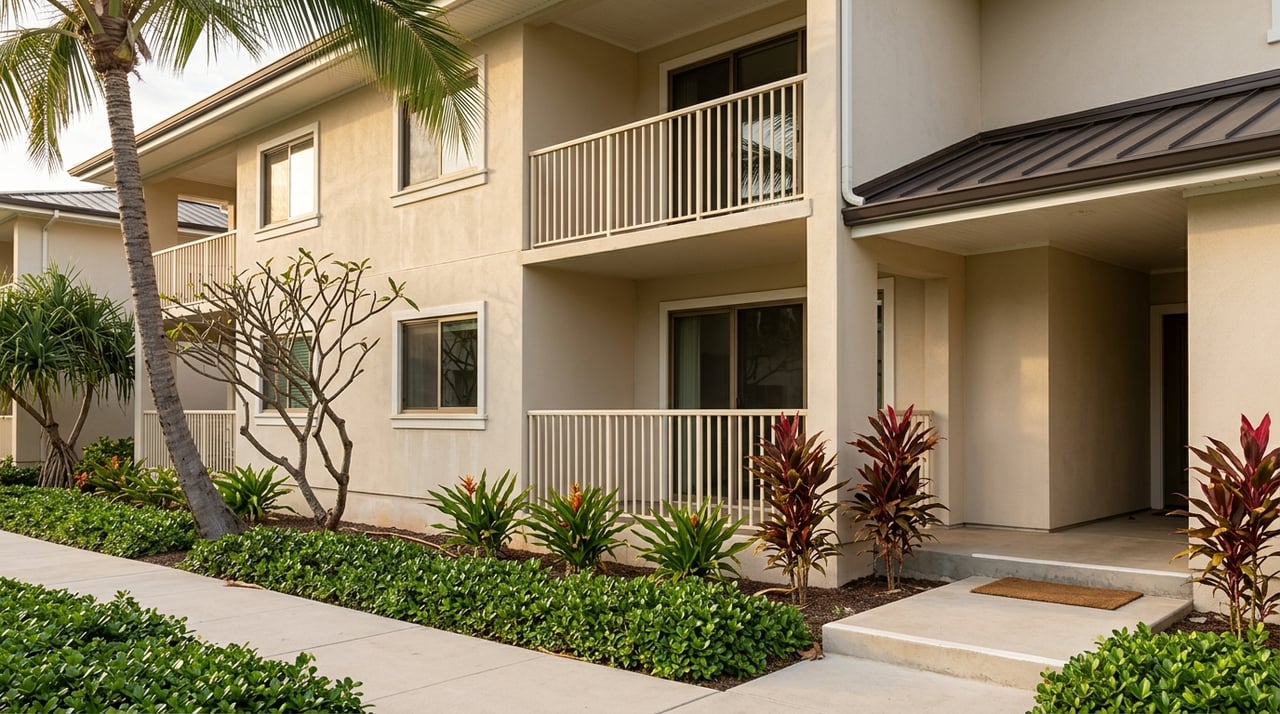
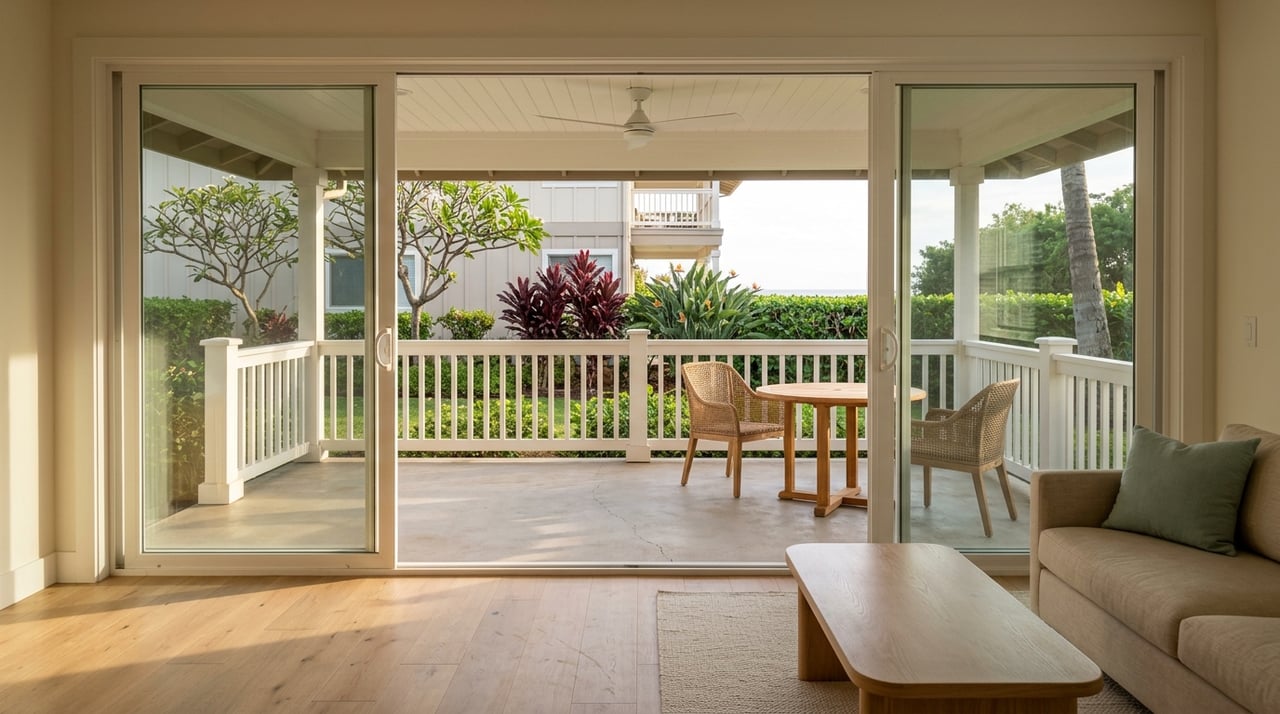
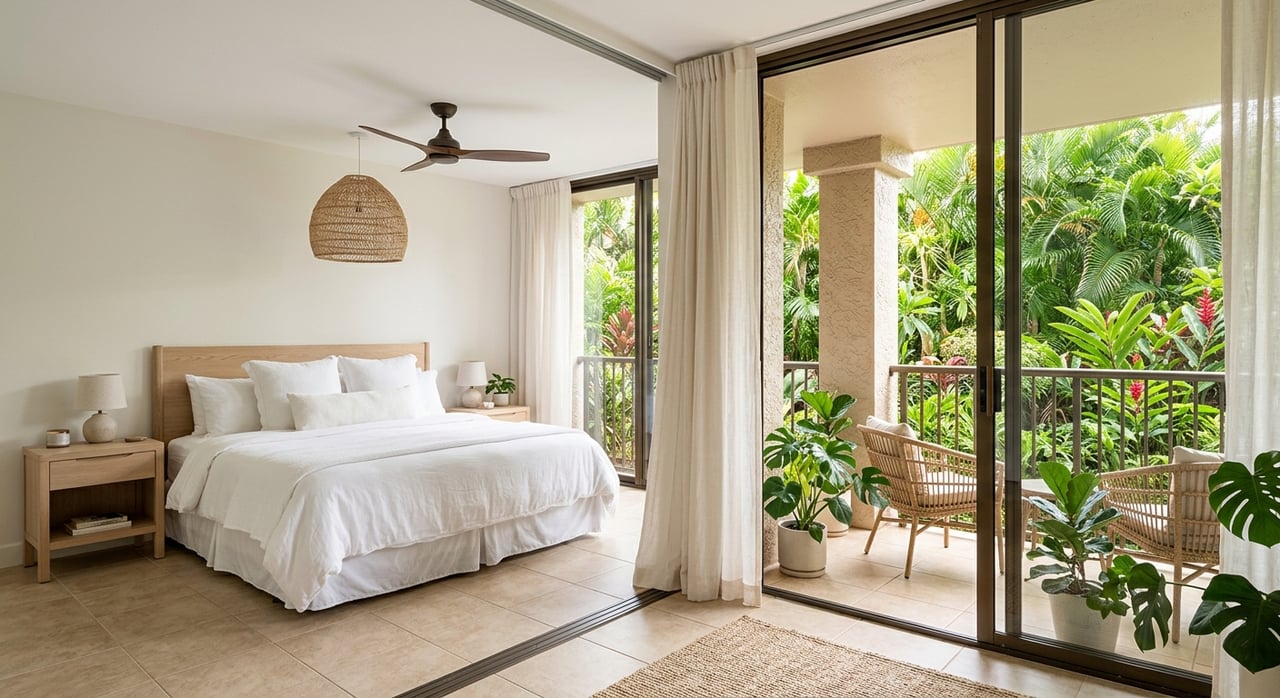
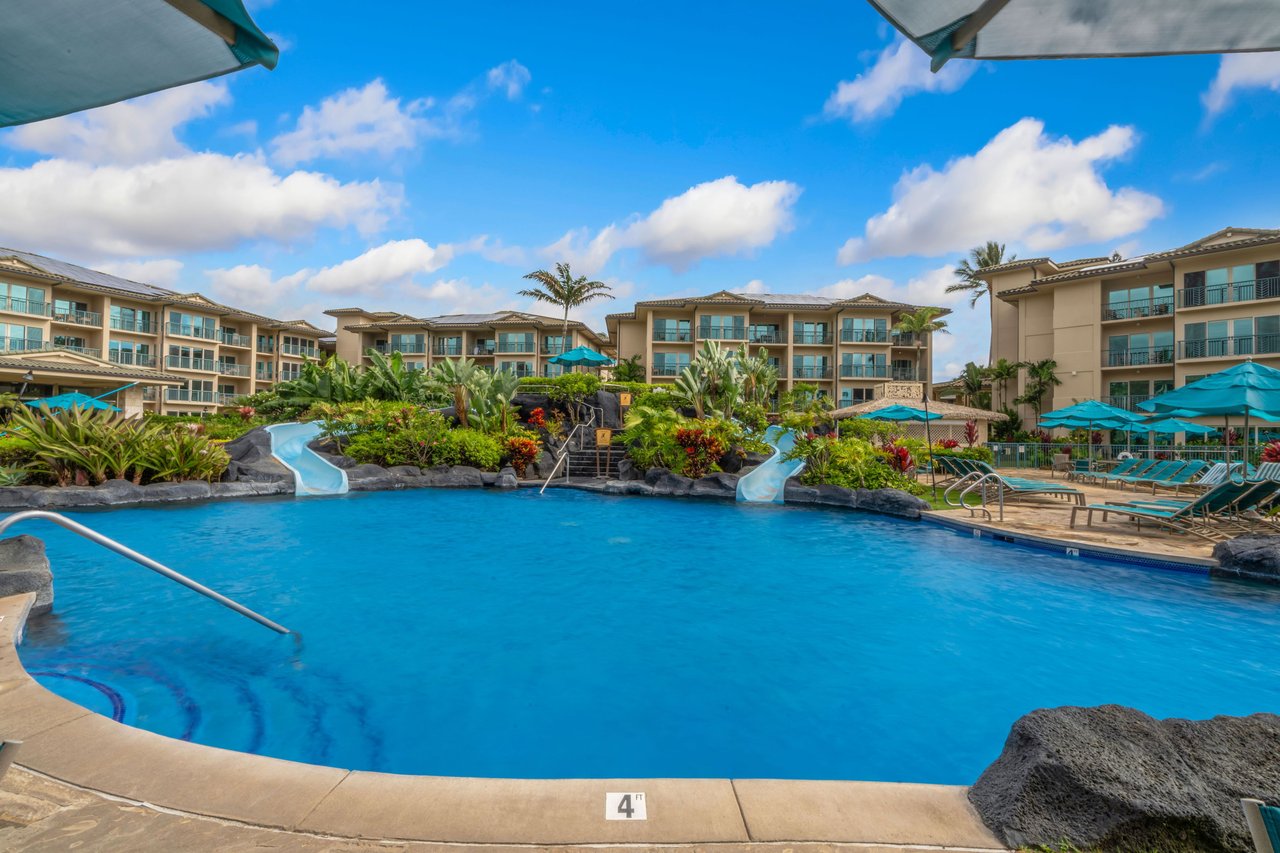
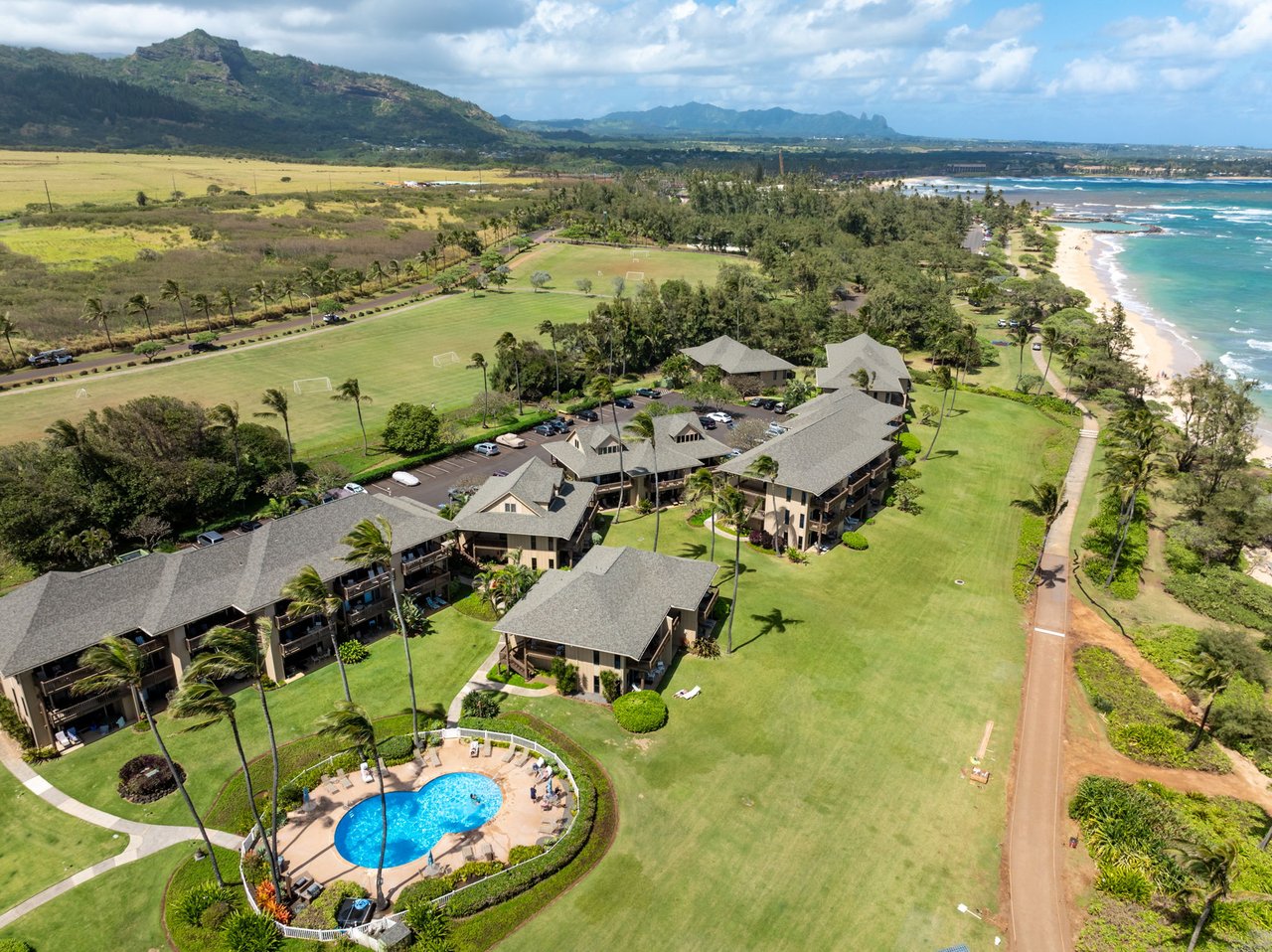
Thinking about trading yard work for ocean breezes and a simpler home base on Kaua‘i? If you are eyeing a condo in Līhu‘e’s Nawiliwili area, you are not alone. Many movers and downsizers want the convenience of town, the island’s best access to services, and a lock-and-leave lifestyle. This guide walks you through the lifestyle, practicalities, risks, and costs so you can decide if Līhu‘e condo living fits your goals. Let’s dive in.
Līhu‘e and Nawiliwili at a glance
Līhu‘e is Kaua‘i’s county seat and everyday hub. You are close to the island’s main airport, government offices, shopping, and medical services. For frequent flyers and part-time residents, proximity to Līhu‘e Airport information matters. Nawiliwili, Līhu‘e’s harbor district, adds beaches, a marina, parks, and shoreline amenities.
Being here can cut your drive time for flights, groceries, banking, and appointments. You also get better walkability than many remote neighborhoods. For many buyers, especially downsizers and seasonal residents, that central location is the big draw. If you want a practical base to explore the island, Līhu‘e delivers.
Why a Līhu‘e condo appeals
- Central access to everyday needs, from groceries and clinics to county services. Explore services and departments on the Kaua‘i County site.
- Smaller-footprint living that reduces maintenance. Many units are 1 to 2 bedrooms, ideal for a “right-sized” lifestyle.
- Walkability to shops, shoreline paths, and parks in select areas near Nawiliwili.
- A lock-and-leave setup that suits frequent travelers.
If you value ease, predictability, and time outside over home maintenance, a condo in Līhu‘e can be a strong fit.
Case study: What living near Nawiliwili feels like
Use Banyan Harbor as a mental model for central condo living in this area. It sits near harbor activity, beaches, and town conveniences. The vibe is practical and active, with quick access to errands, dining, and shoreline recreation. If you want to keep a suitcase ready and be at the airport in minutes, the location checks a lot of boxes.
Every building is different, so treat Banyan Harbor as an example rather than a rule. Unit sizes, HOA fees, amenity lists, and house rules vary by project and by unit. Before you buy in any complex, confirm details through current listings and HOA documents.
What to verify in any Līhu‘e condo
- HOA fees and inclusions. Know what is covered, such as exterior maintenance, landscaping, trash, water, or cable. Costs vary and can change.
- Rules that affect daily life. Review pet policies, parking assignments and guest rules, in-unit versus shared laundry, and renovation rules.
- Short-term rental status. Some projects prohibit STRs. Confirm HOA rules and county permitting before you plan any rental income.
- Access and mobility. Check stairs or elevator access, and evaluate any mobility needs.
- Noise and privacy. Visit at different times to gauge airport and harbor traffic.
- Internet options. Speeds vary block by block. Remote workers should confirm provider and speed for the specific unit.
- Transit options. Review routes and schedules on county pages for The Kaua‘i Bus since frequency is limited compared with large cities.
Getting around and daily conveniences
From central Līhu‘e, you typically reach south shore beaches in under 30 minutes and the north shore in 45 to 60 minutes, depending on traffic. For daily needs, Līhu‘e offers multiple supermarkets, hardware stores, banks, and county services. You also have access to clinics and hospital services in town, which many downsizers value.
If you prefer to rely less on a car, certain town-center locations can cover basic errands on foot. For island-wide trips, the bus system helps but is not a full substitute for a car. Rideshare services operate on Kaua‘i but can be sporadic. Many owners keep one vehicle for flexibility.
Risk and resilience on the coast
Nawiliwili is a shoreline district, which brings unique planning and insurance questions. Smart due diligence makes a big difference.
- Flood risk. Review the property’s flood zone at the FEMA Flood Map Service Center. Some buildings near the harbor may be in Special Flood Hazard Areas that trigger lender-required flood insurance.
- Tsunami evacuation. Hawaii agencies map evacuation zones. If a condo sits in a low-lying area, you could be subject to evacuation notices during tsunami threats. Check county emergency planning pages on Kaua‘i County.
- Hurricanes and wind. Hurricane season runs June through November. Ask how the building is designed for wind, and review the HOA’s emergency plans.
- Sea-level rise. The NOAA Sea Level Rise Viewer shows long-term scenarios for coastal exposure. Consider higher floors, elevation, and building position as part of your risk lens.
Insurance basics for condo owners
Condo coverage has two parts. The HOA maintains a master policy for the structure and common elements. You carry a personal “walls-in” policy for your unit interior and contents. Flood insurance is a separate policy. In coastal settings, a wind or hurricane rider may be required. Ask the HOA exactly what the master policy covers so you do not have gaps.
Money matters and local rules
- Property taxes. Kaua‘i County assesses property at market value and applies rates by classification. Review current rates and possible exemptions with the Kaua‘i County Real Property Tax Division.
- Short-term rentals. STRs are regulated by the county and often restricted by condo CC&Rs. If you plan to rent, verify both HOA rules and county permitting on Kaua‘i County and understand your tax obligations for TAT and GET.
- Condo law and disclosures. Hawaii’s condominium law, Hawaii Revised Statutes Chapter 514B, outlines governance, disclosures, and owner rights. Sellers must provide HOA documents, including CC&Rs, bylaws, budgets, reserve studies, and recent minutes. Read them closely.
- Financing, especially for mainland buyers. Lenders may require higher down payments for non-resident buyers. Some buildings do not meet conventional “warrantable” criteria, which can limit loan options. Confirm project eligibility early with your lender to avoid surprises during escrow.
Is Līhu‘e condo living right for you? A quick checklist
Use this list to compare your needs with what Līhu‘e offers.
- Location fit: Do you value being minutes from the airport, harbor, and services more than a larger home footprint elsewhere on the island?
- Lifestyle: Would you trade yard work for shoreline walks, social spaces, and easy errands?
- Noise: Are you comfortable with urban island sounds like harbor operations and flight paths?
- Mobility: Will stairs or hill grades affect your daily routines?
- Parking: Do assigned or covered spaces matter to you? How often will you host guests?
- Storage and laundry: Is in-unit storage and laundry a must, or will shared facilities work?
- Internet: Do you have specific upload and download needs for remote work?
- Utilities: Review recent utility bills and learn about electricity programs through the Kaua‘i Island Utility Cooperative.
- HOA health: Request the reserve study, budget, insurance summary, and meeting minutes. Look for special assessment history and any pending issues.
- Risk checks: Pull your flood zone at the FEMA Flood Map Service Center, confirm any tsunami evacuation zone on county pages, and review sea-level scenarios with the NOAA Sea Level Rise Viewer.
- Rental plans: If you hope for rental income, confirm STR rules with both the HOA and the county on Kaua‘i County.
The bottom line
If you want island living that is practical, central, and low maintenance, a condo in Līhu‘e’s Nawiliwili area can be a great match. You will gain quicker access to flights, services, and shoreline amenities. You will also take on HOA fees, shared rules, and coastal risk planning. The key is clear due diligence so you can enjoy the lifestyle with fewer surprises.
If you are weighing a move or a downsizing plan, let’s talk through options, HOA comparisons, and risk profiles that fit your goals. Reach out to Jamie Friedman for local guidance and next steps.
FAQs
What should a mainland buyer know about Līhu‘e condo financing?
- Get pre-approved early, confirm the building’s warrantability with your lender, and be ready for different down payment requirements for non-resident loans.
How do I check if a Nawiliwili condo is in a flood zone?
Are short-term rentals allowed in Līhu‘e condos near the harbor?
- It depends on the building’s CC&Rs and county rules, so verify both with the HOA and on Kaua‘i County before assuming any rental income.
What insurance do I need for a coastal condo in Līhu‘e?
- Expect an HOA master policy for the building plus your own walls-in policy, and consider separate flood insurance and a wind or hurricane rider for full coverage.
How walkable is condo living around Nawiliwili?
- Walkability varies by complex, but many errands are closer than in rural areas, and you can supplement with the county’s bus system listed on Kaua‘i County.
What regular costs should I budget for as a condo owner?